Renewable Energy

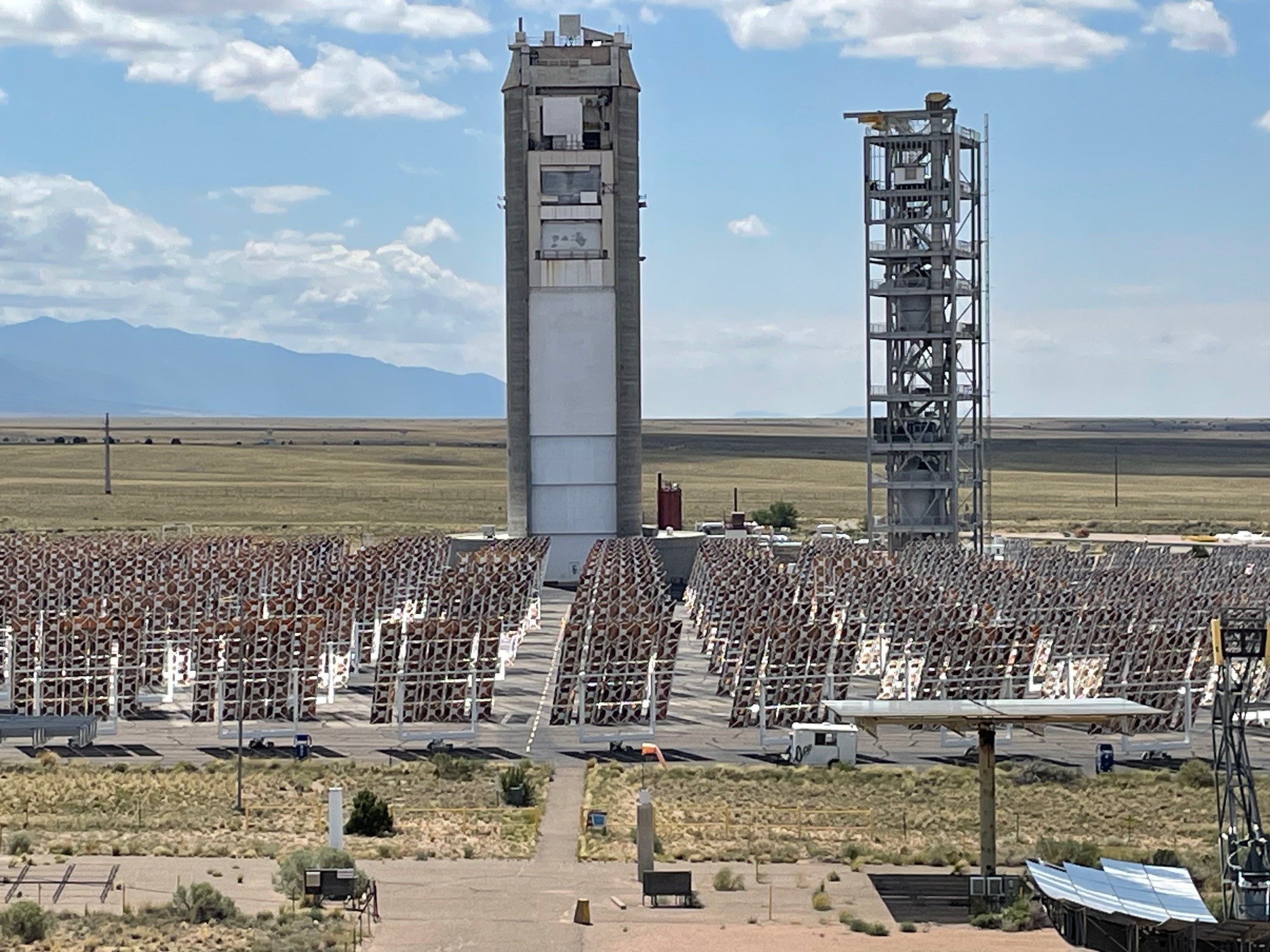
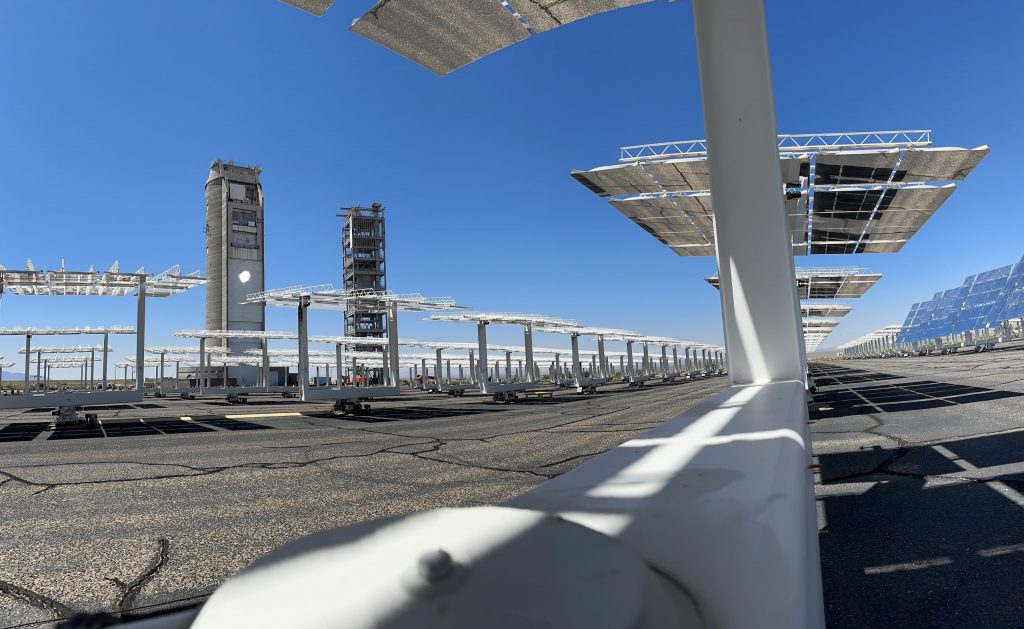
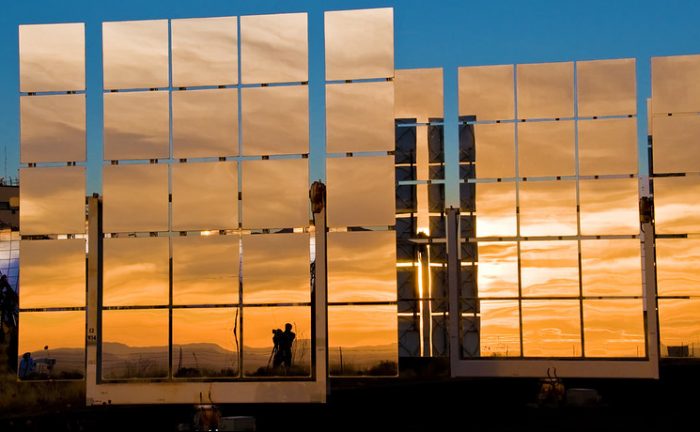
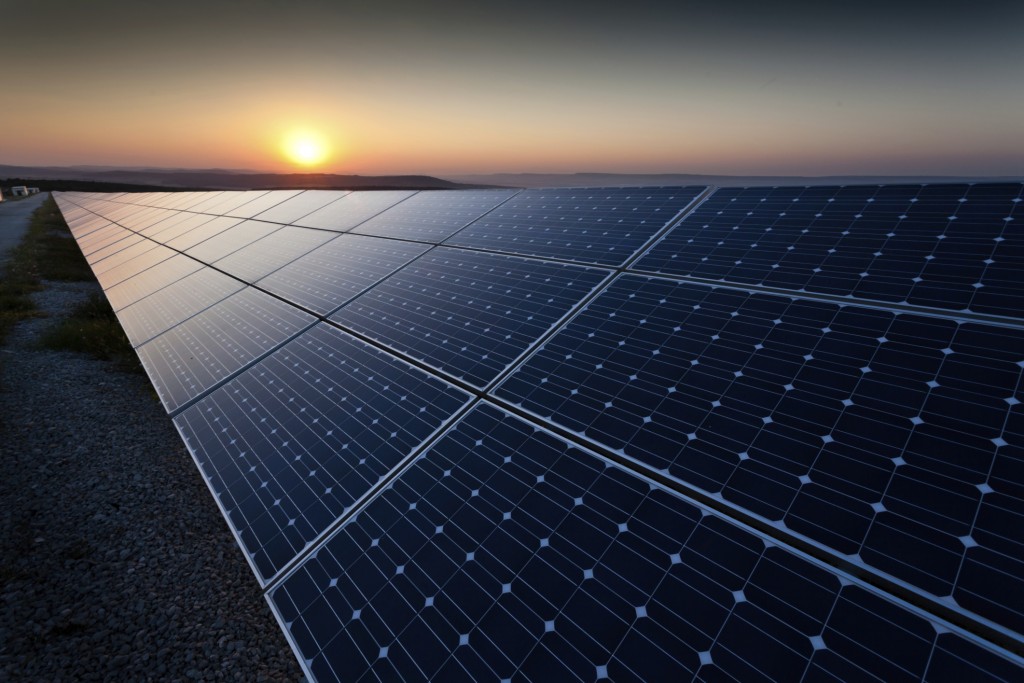
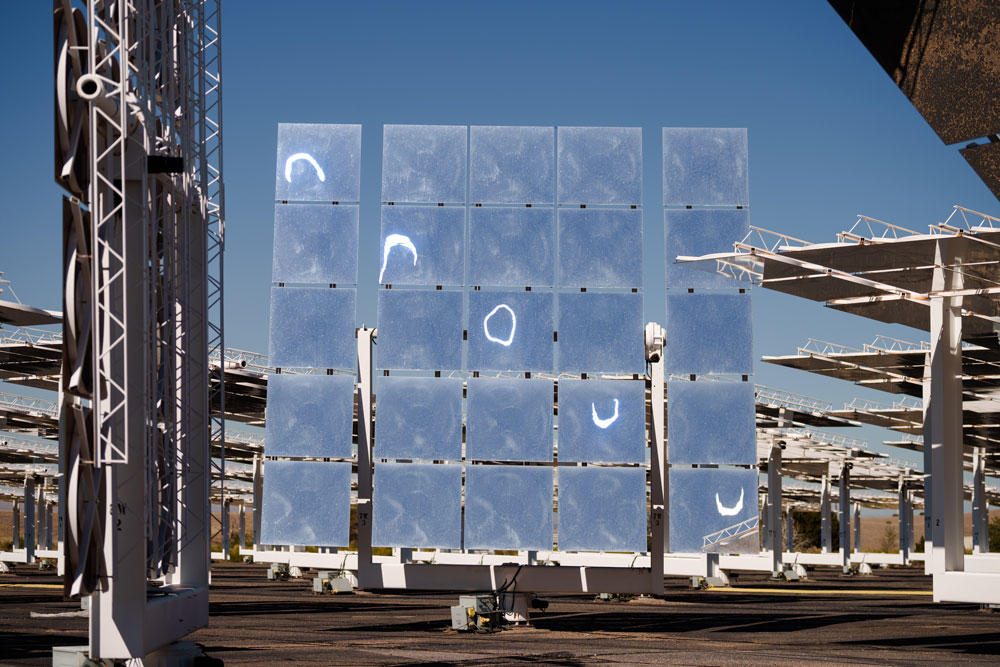
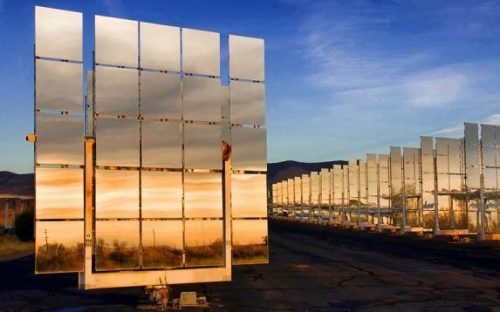
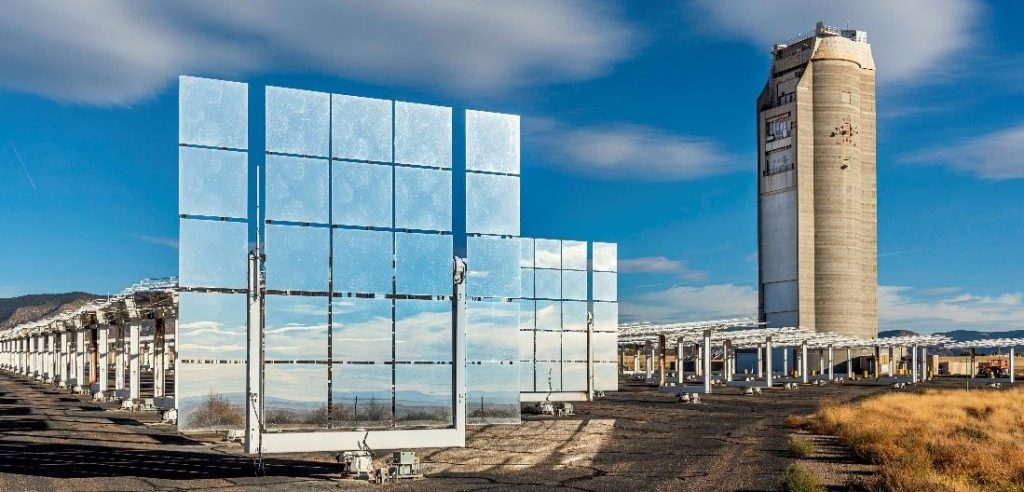
heliostats reflectng sunset at NSTTF
Renewable Energy

Research that advances renewable energy technologies

Sandia National Laboratories has performed advanced research in renewable energy since the 1970s. The more than 100 researchers in our program:

  • Reduce the cost,
  • Improve the resilience and reliability, and
  • Reduce the barriers to the deployment of renewable energy.

Email Updates

Sign up for Renewable Energy updates or access your subscriber preferences.

Our research builds on many of Sandia’s core strengths including high-fidelity modeling; materials development, analysis, and testing; advanced controls systems; high-temperature and high-pressure systems; cyber security; verification and validation/uncertainty quantification; subsurface access and sensing and large-scale performance, safety, and reliability testing. Using these strengths, our research has made major contributions to the nation’s energy security and resilience, economic viability, and environmental sustainability.

Research Focus Areas

News
Sandia’s National Solar Thermal...

Michael Ropp, Electrical...

The 2024 Sandia...

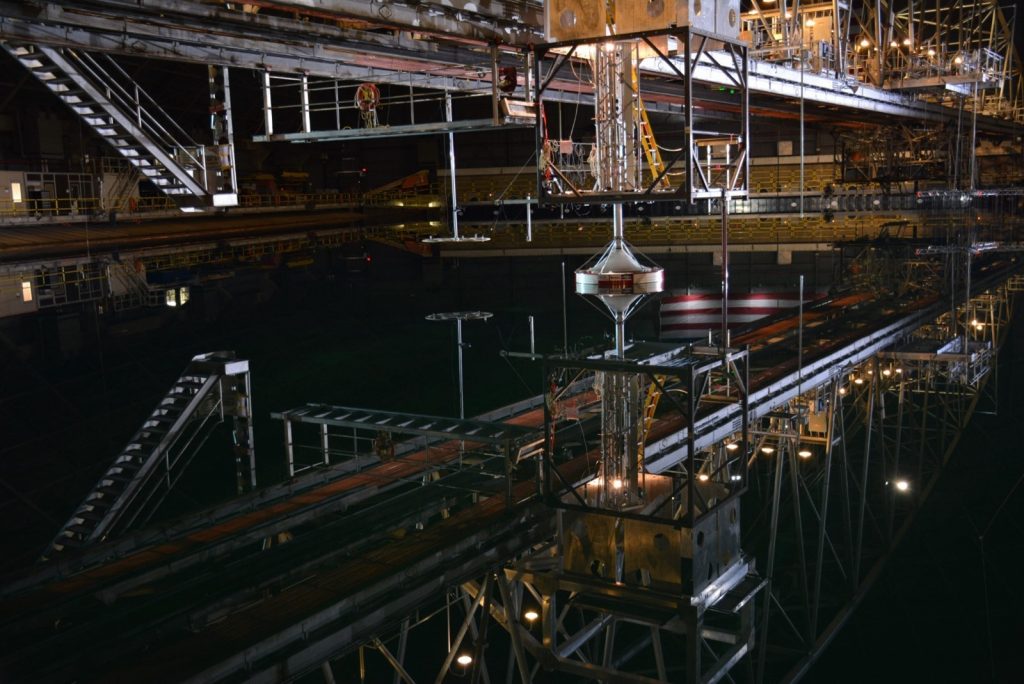
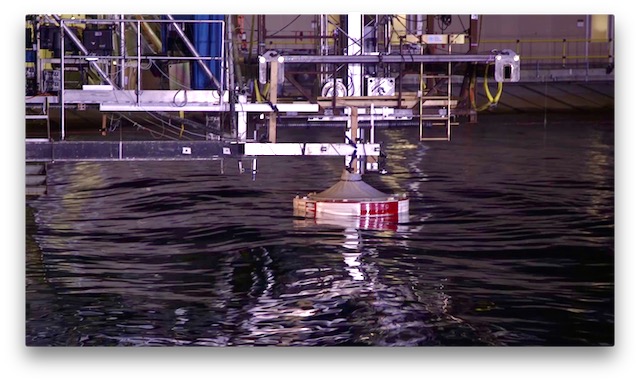
The WaveBot, a...

It hasn’t harnessed...

Sandia National Laboratories’...

Resources

Scientific Publications

Access journal articles, technical reports, presentations, books, and multimedia.

Search publications

Facilities
Renewable Energy, Water Power

The Advanced Materials Laboratory (AML) is one of seven laboratories that comprise Sandia’s Materials Science and Engineering Center. The AML has expertise in the development of materials and coatings for marine renewable energy and provides...

Bioenergy, Renewable Energy

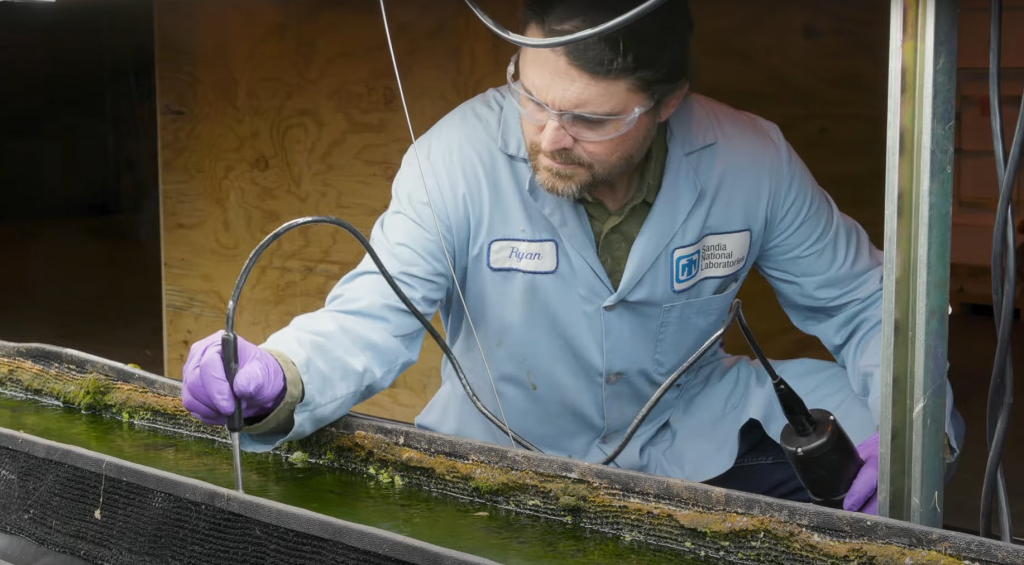
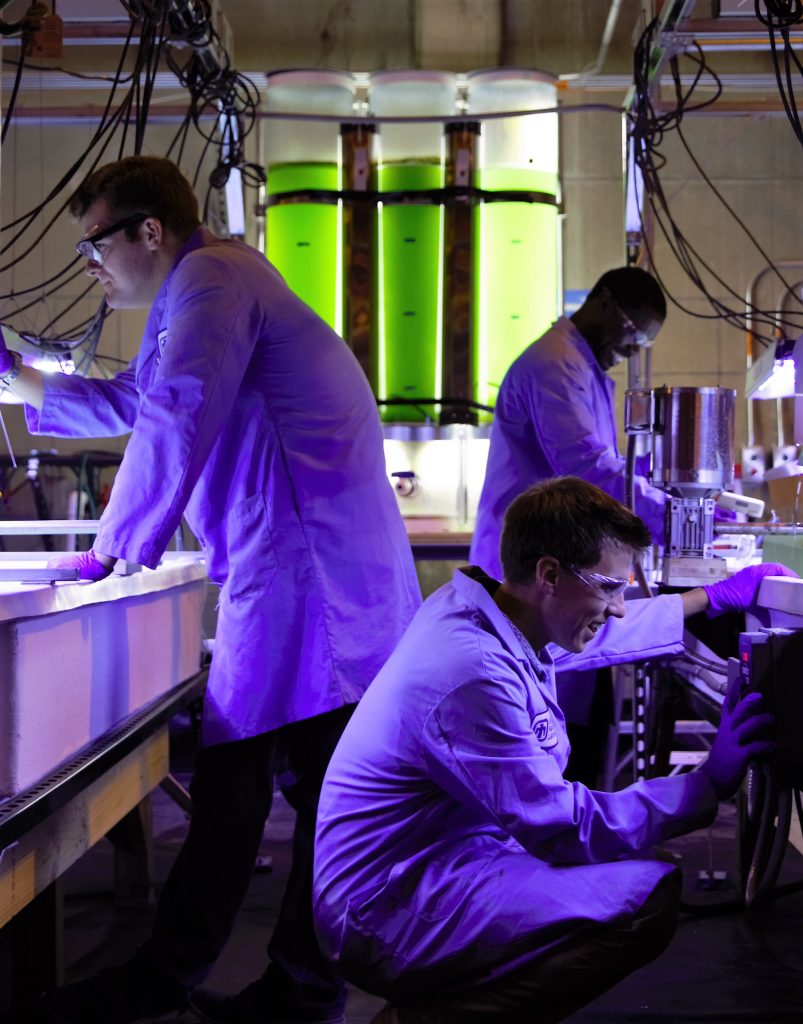
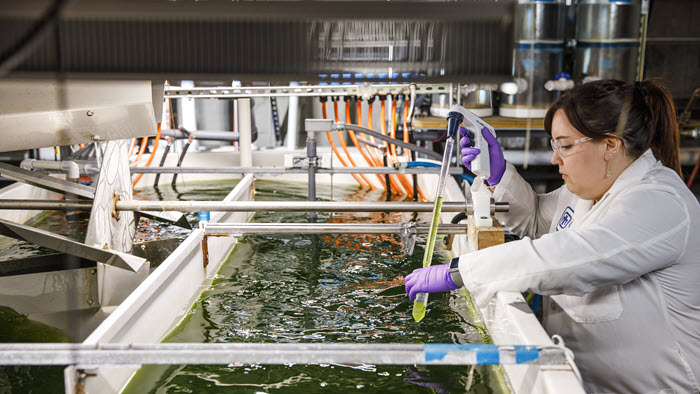
Bioscience is one of Sandia's research foundations, an area considered key to the success of the Lab's national security programs. In the Applied Bioscience Laboratory (ABL) at Sandia California, the bioscience research focus is...

Electric Grid, Renewable Energy, Sustainable Transportation

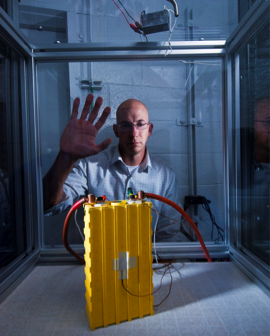
The Battery Abuse Testing Laboratory (BATLab) at Sandia is an internationally recognized leader in energy storage system safety research. The BATLab is committed to serving the energy storage community and the national interest with cutting-edge research...

Advanced Manufacturing & Industrial Technologies, Renewable Energy, Sustainable Transportation

Established as the first Department of Energy user facility in the 1970s and designated as a DOE collaborative research facility in 2008, the Combustion Research Facility (CRF) has served as a national and international leader in...

Advanced Manufacturing & Industrial Technologies, Arctic Science & Security, Bioenergy, Climate Security, Concentrating Solar Power, Electric Grid, Energy & Water, Energy Storage, Fossil Energy & Carbon Management, Geothermal, Nuclear Energy, Nuclear Waste Management, Photovoltaic Solar Energy, Renewable Energy, Sustainable Transportation, Tribal Energy Security, Water Power, Wind Energy

The Computer Science Research Institute (CSRI) brings university faculty and students to Sandia for focused collaborative research on Department of Energy computer and computational science problems. CSRI focuses on research in areas of computer...

Renewable Energy, Sustainable Transportation

Researchers at the Control and Optimization of Networked Energy Technologies (CONET) Laboratory conduct research, development, and testing on networked and distributed systems. Research at CONET is interwoven with cybersecurity objectives and focuses on: coordinated communications, controls...

Geothermal, Renewable Energy

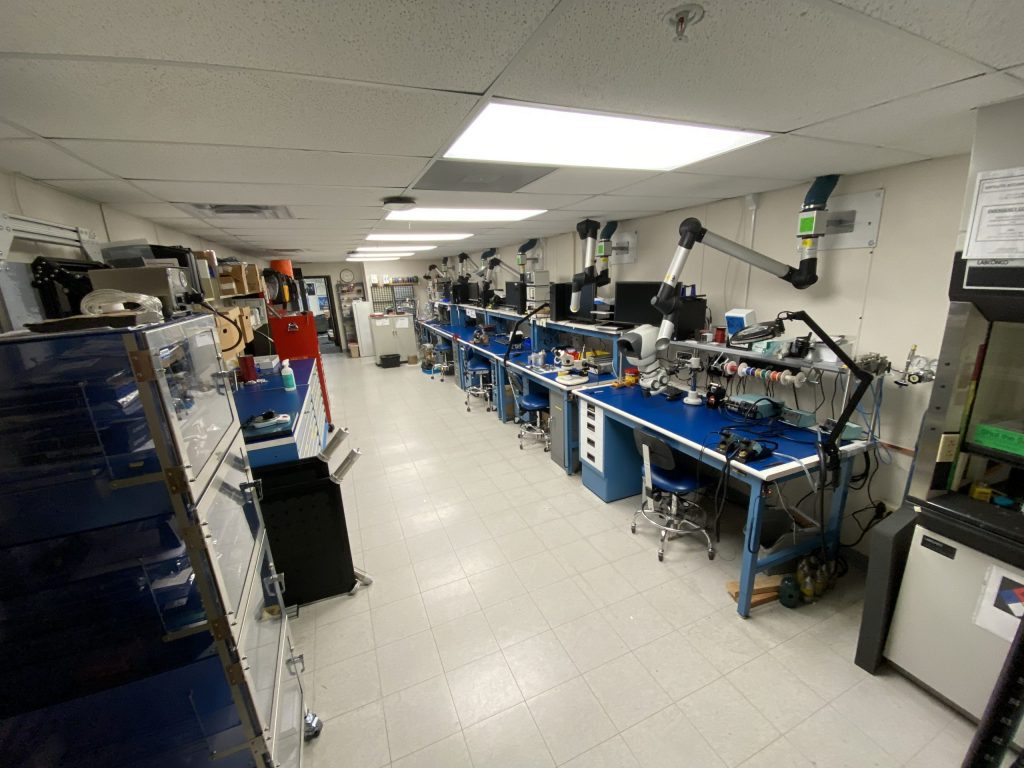
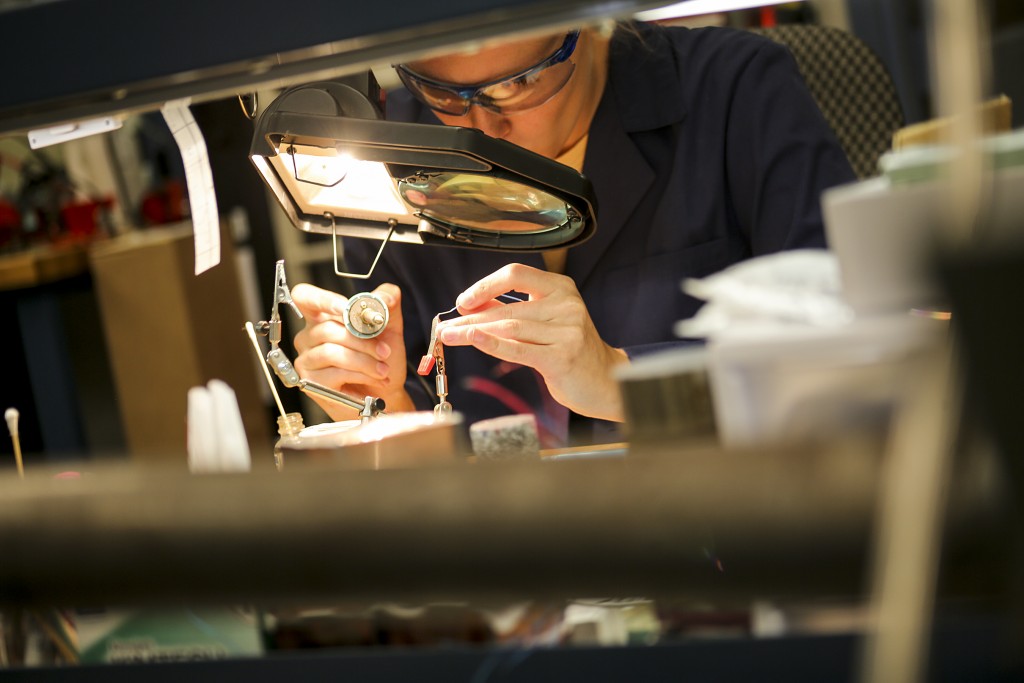
The Electronics Development Lab offers capabilities for high temperature electronic fabrication and assembly, the evaluation of electromagnetic hardware, optical evaluation, 3D printing, and long-term storage of sensitive electronics while under electro-static protection. Image depicts...

Fossil Energy & Carbon Management, Geothermal, Renewable Energy, Water Power

The Sandia FACT Site provides the equipment and seismically quiet surroundings required for testing infrasound and seismic sensors, instrumentation, and monitoring systems. This site allows for geothermal tools to be tested with a wireline truck to...
Fossil Energy & Carbon Management, Geothermal, Renewable Energy

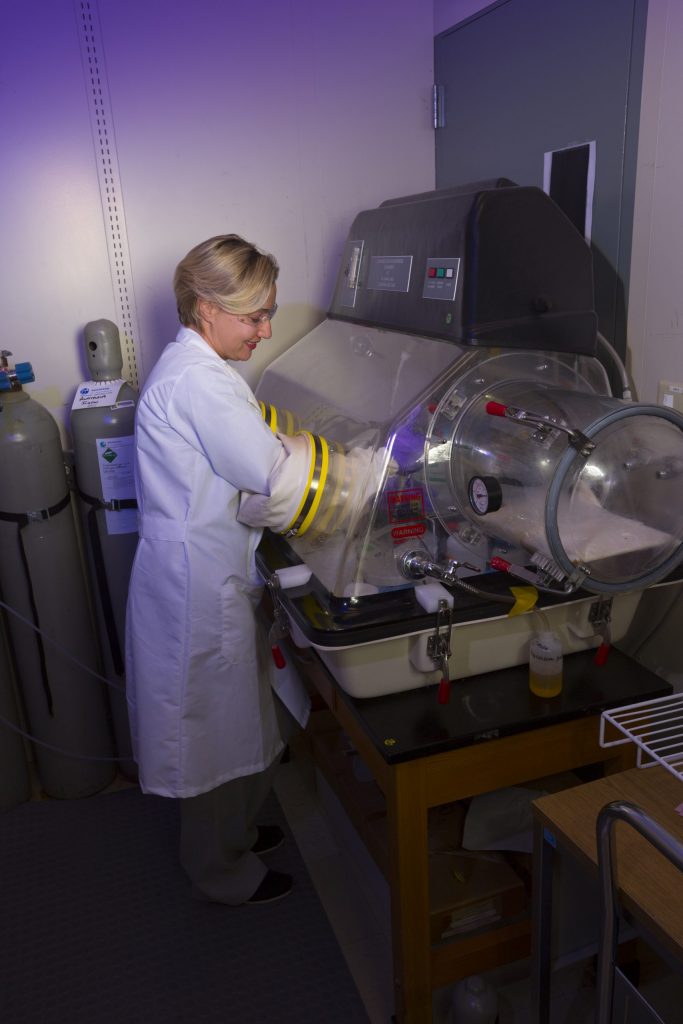
The Geochemistry Laboratories at Sandia support the investigation of basic scientific questions including material behaviors at mineral-fluid interfaces and the effects of chemical environment on fracture.  Experimental geochemistry studies allow researchers to build and...

Fossil Energy & Carbon Management, Geothermal, Renewable Energy, Water Power

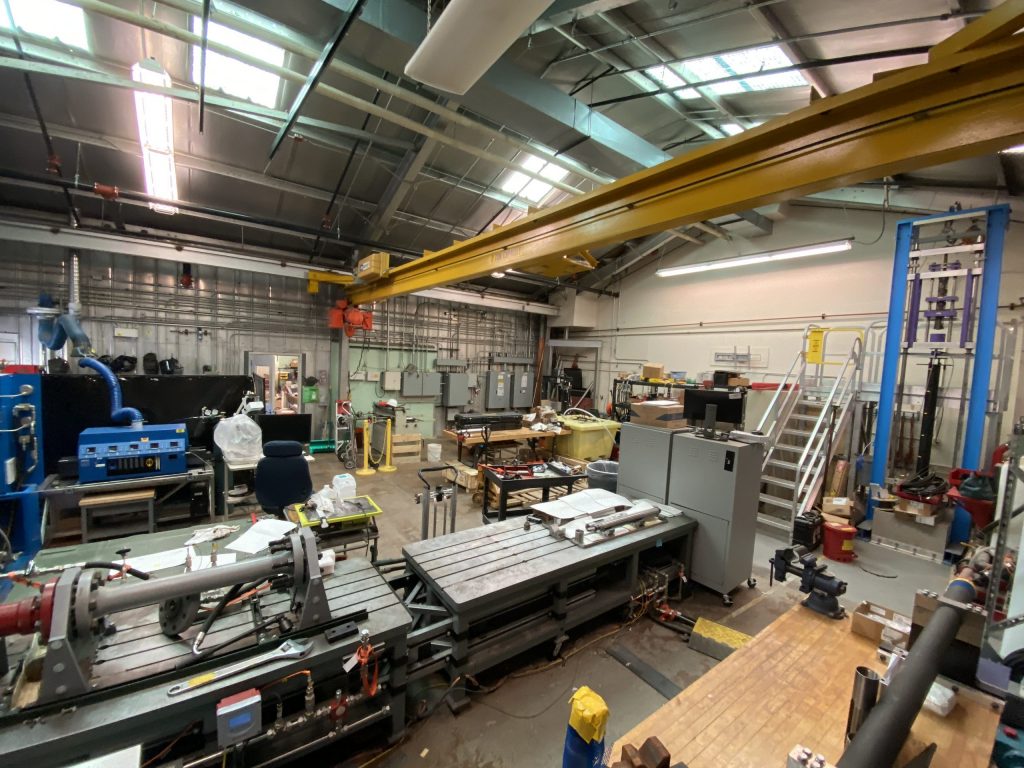
The Geomechanics Laboratory allows its users to measure rock properties under a wide range of simulated service conditions up to very high pressures, elevated temperatures, and complex load paths. The laboratory's capabilities make it...

Geothermal, Renewable Energy

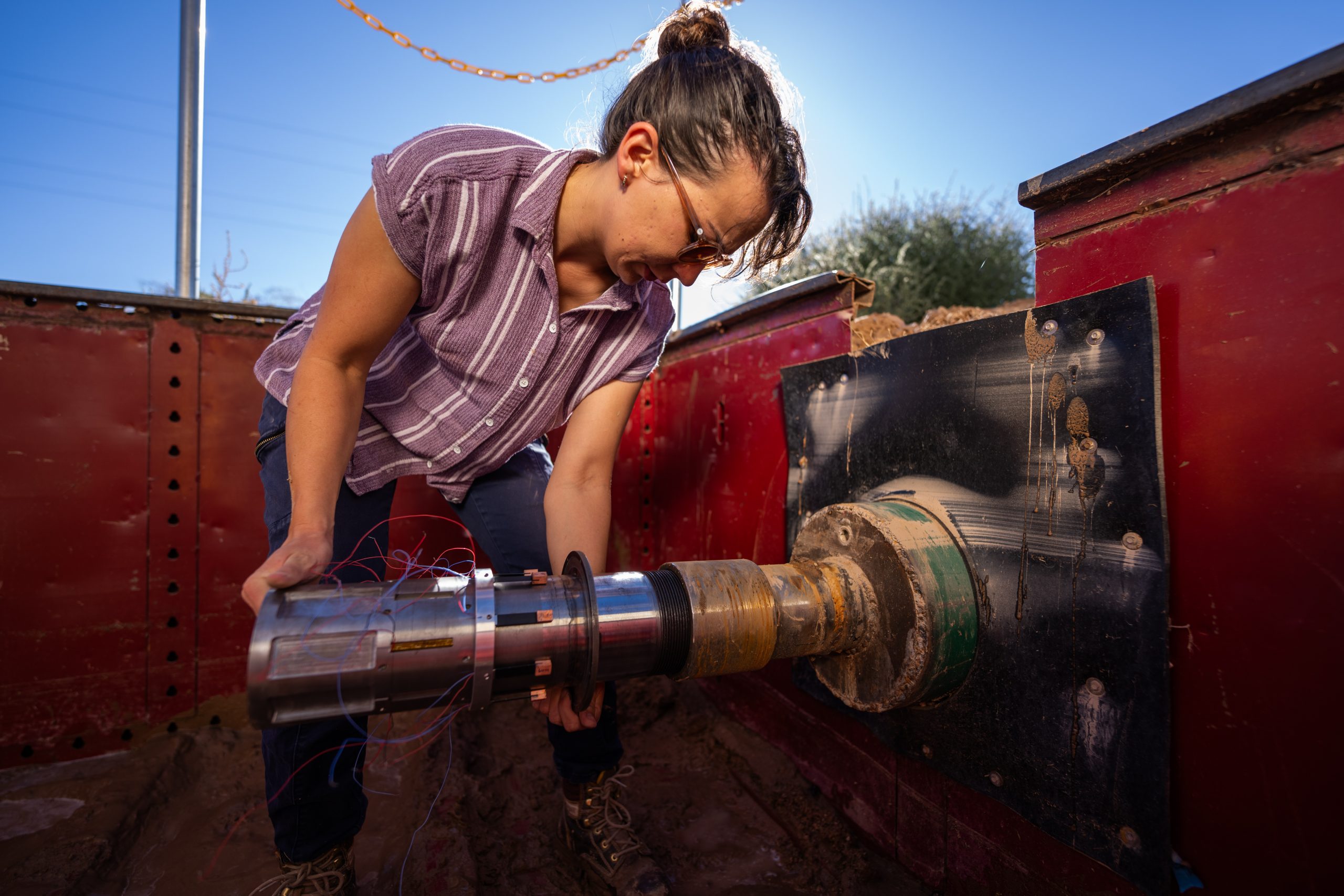
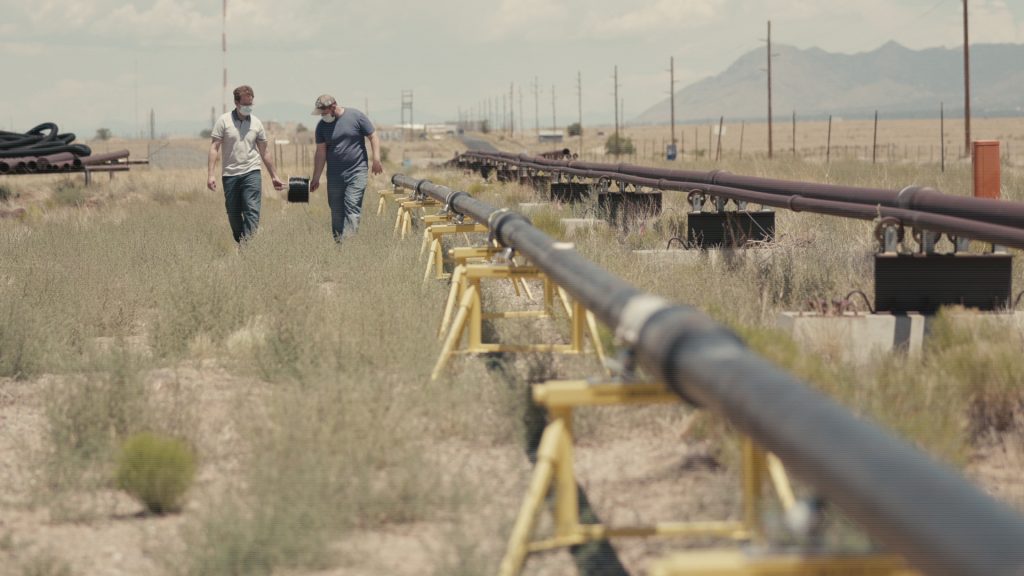
A large plot of land, known as Tech Area III, allows Sandia’s geothermal research program to evaluate large systems. For example, the program has 1,000 feet of drilling pipe that was used for evaluating...

Geothermal, Renewable Energy

Sandia maintains a large laboratory facility for the development, assembly, and testing of geothermal technologies. Sandia’s evaluation and assembly facility provides several testing, processing, and packaging stations and capabilities for high-temperature packaging, high-temperature and...

Geothermal, Renewable Energy

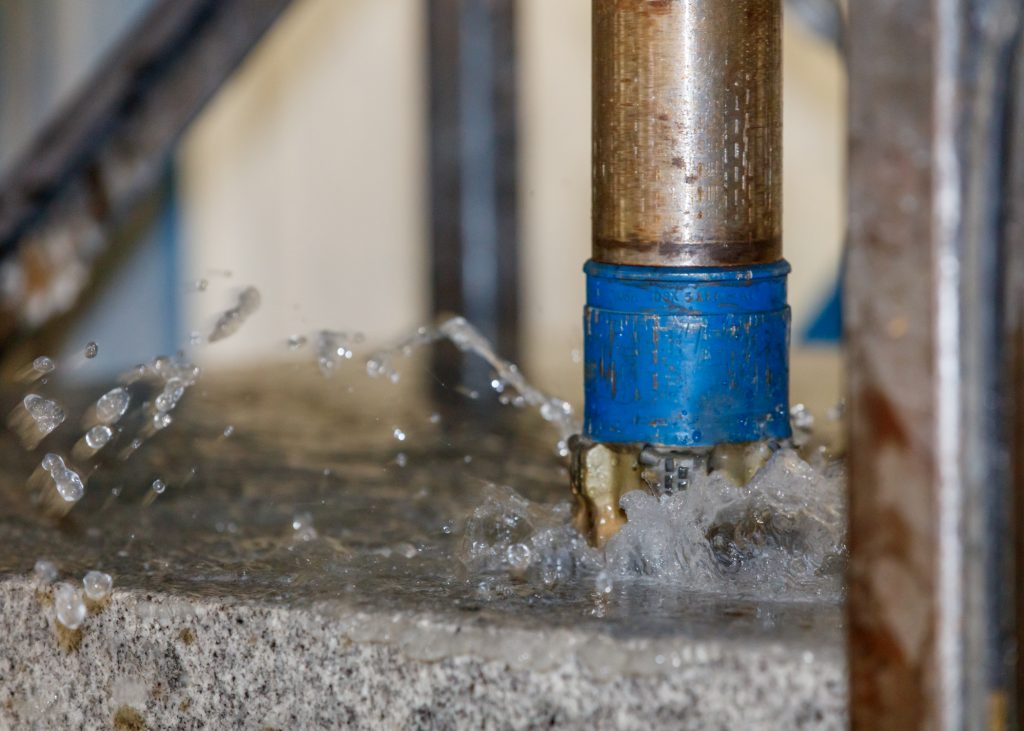
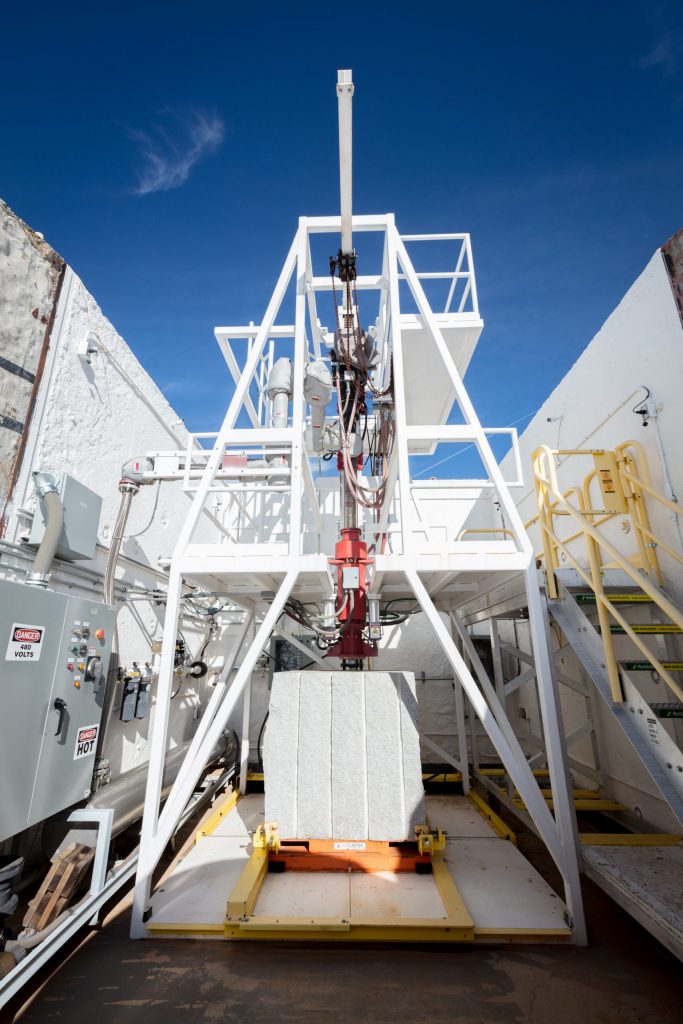
Geothermal resources are typically associated with igneous and metamorphic rocks, which are harder than the sedimentary rocks through which most oil and gas wells are drilled. The Hard Rock Drilling Facility features a vertical...

Fossil Energy & Carbon Management, Geothermal, Renewable Energy

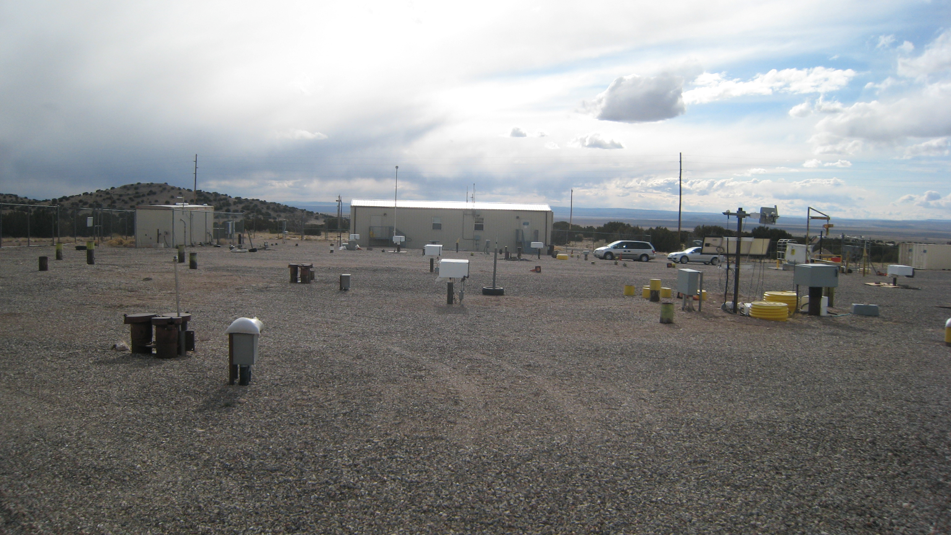
Sandia’s High Operating Temperature (HOT) Facility houses a 20-foot-tall drill rig, heating chamber, and process gas heater. HOT can simulate conditions deep underground by elevating the temperatures directly to the drill bit and can...

Renewable Energy, Water Power

The technical staff at Sandia National Laboratories have access to High Performance Computing (HPC) Production Clusters for solving, visualizing, and interpreting large, complex science and engineering problems.  Currently there are 4 such Linux clusters...

Fossil Energy & Carbon Management, Renewable Energy, Sustainable Transportation

The Hydrogen Effects on Materials Laboratory is the cornerstone of Sandia’s research expertise in hydrogen compatibility of materials and a core capability stewarded by the Office of Energy Efficiency and Renewable Energy’s (EERE) Hydrogen and Fuel...

Fossil Energy & Carbon Management, Renewable Energy, Sustainable Transportation

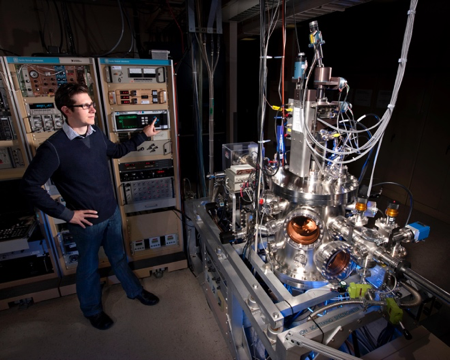
Sandia’s Hydrogen–Surface Interactions Laboratory includes an array of specialized capabilities assembled to address the obstacle of directly detecting hydrogen in furthering our understanding of hydrogen–surface interactions. The lab includes an angle-resolved ion energy spectrometer...

Fossil Energy & Carbon Management, Renewable Energy, Sustainable Transportation

Sandia staff in the Hydrogen Transport and Trapping Laboratory evaluate many features of the interactions between hydrogen and materials. In particular, the effects of hydrogen on mechanical properties can be strongly influenced by transport (or diffusion)...

Advanced Manufacturing & Industrial Technologies, Bioenergy, Renewable Energy, Sustainable Transportation

The Joint BioEnergy Institute (JBEI) is a San Francisco Bay Area research partnership that combines scientific expertise, resources, and support of four national laboratories, five academic institutions, and one industry partner. Led by Lawrence Berkeley National...

Renewable Energy, Water Power

Current speed and wave measurements are critical for assessing the resource and hydrodynamic characteristics at an MHK site.  Sandia’s team has the capability and sensors/instrumentation for conducting field- and laboratory-scale measurements, such as ADCPs,...

Geothermal, Renewable Energy

The Microsystem Assembly and Brazing Facility offers advanced capabilities for epoxy die bonding, soldering, wire bonding, seam sealing, holistic packaging and materials process analysis, metal deposition (e.g., PVD, CVD, ALD), 3D printing (e.g., PEEK,...

Advanced Manufacturing & Industrial Technologies, Renewable Energy, Sustainable Transportation

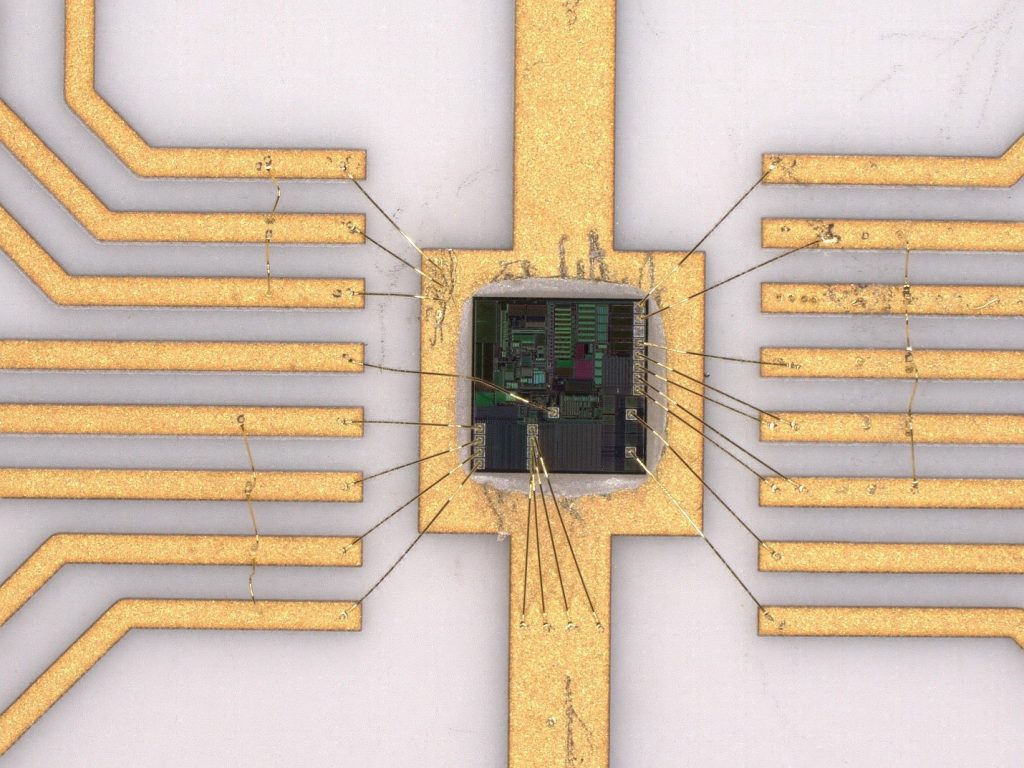
The Microsystems Engineering, Science, and Applications (MESA) Complex integrates the numerous scientific disciplines necessary to produce functional, robust, integrated microsystems and represents the center of Sandia’s investment in microsystems research, development, and prototyping activities. Visit the...

Advanced Manufacturing & Industrial Technologies, Climate Security, Concentrating Solar Power, Renewable Energy

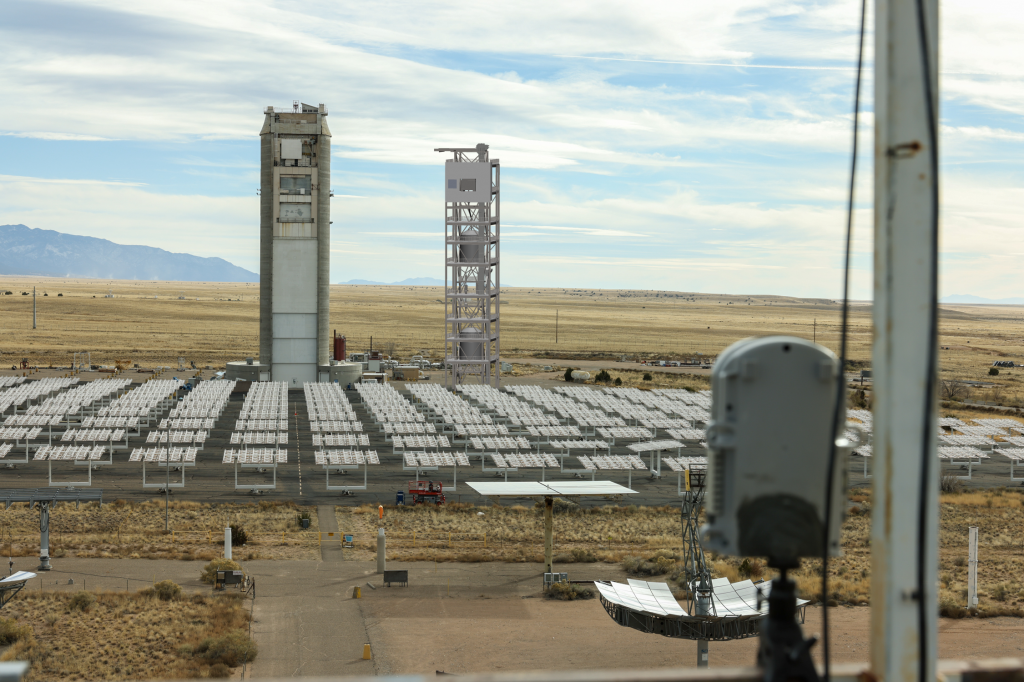
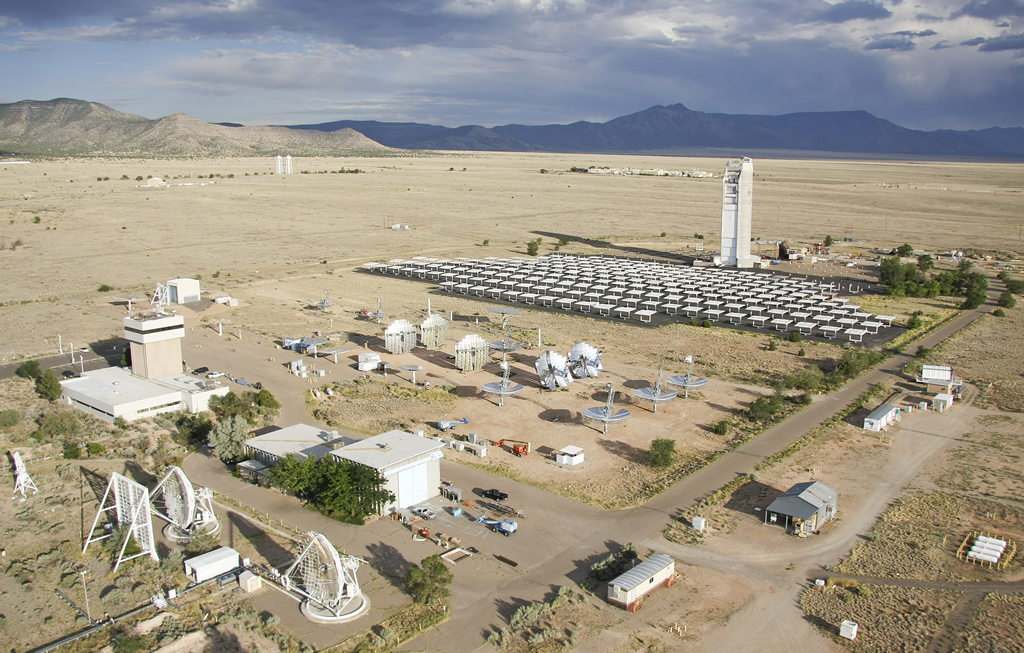
Operated by Sandia for the U.S. Department of Energy (DOE), the National Solar Thermal Test Facility (NSTTF) is the only large-scale concentrating solar power (CSP) and solar thermal test facility in the United States. The primary...

Climate Security, Concentrating Solar Power, Electric Grid, Photovoltaic Solar Energy, Renewable Energy

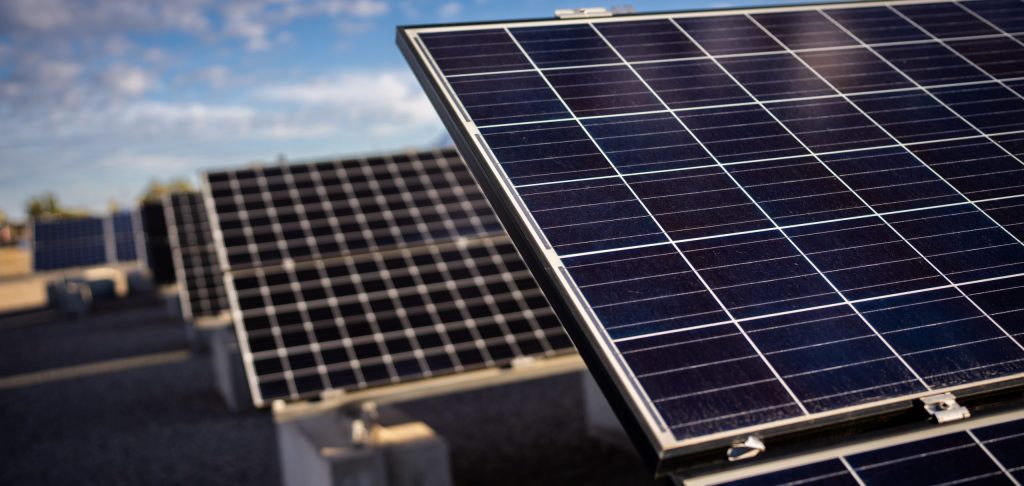
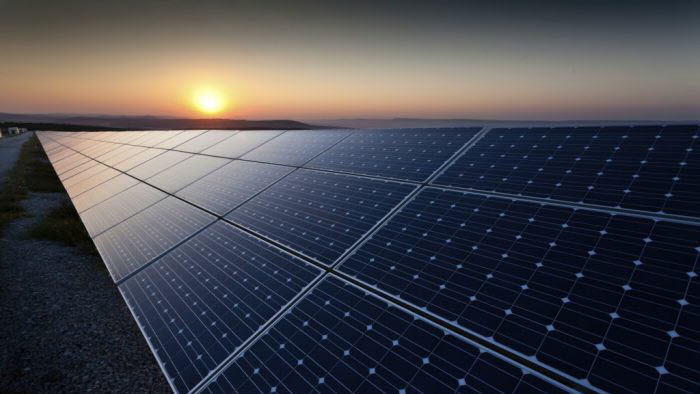
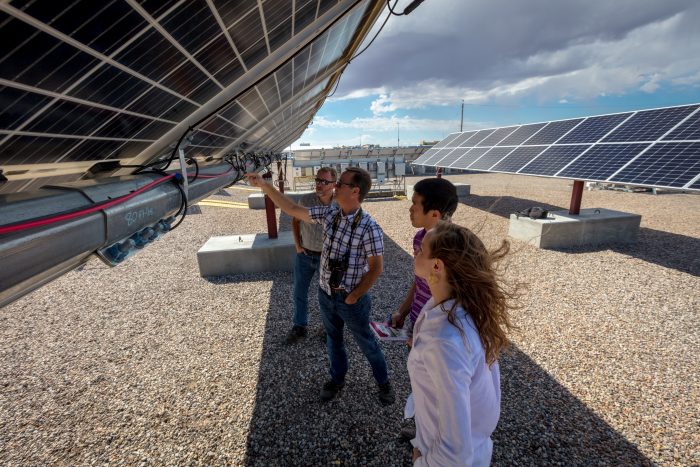
Sandia’s Photovoltaic Systems Evaluation Laboratory, or PSEL, provides expertise and test support within several facilities and outdoor sites for evaluating PV and other distributed energy technologies. It includes the following capabilities: PV systems evaluations...

Photovoltaic Solar Energy, Renewable Energy

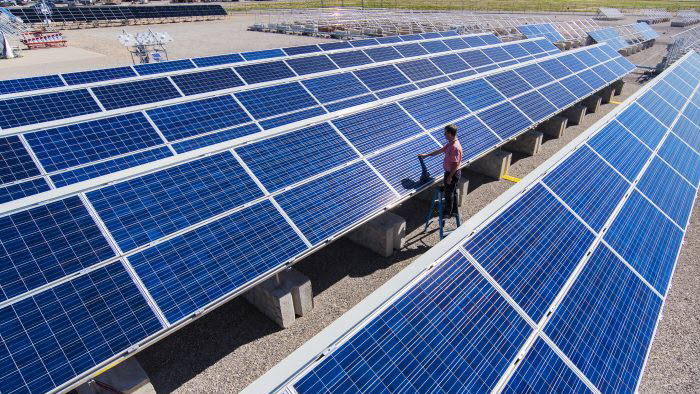
Manufacturers of solar technologies partner with the Regional Test Centers program to have the performance of their products validated at one or more of six climatically distinct sites in the United States, including locations...

Renewable Energy, Water Power

The Water Power Technologies department leverages these capabilities in robotics to support wave energy converter (WEC) design and testing. Visit the Robotics website

Renewable Energy, Water Power

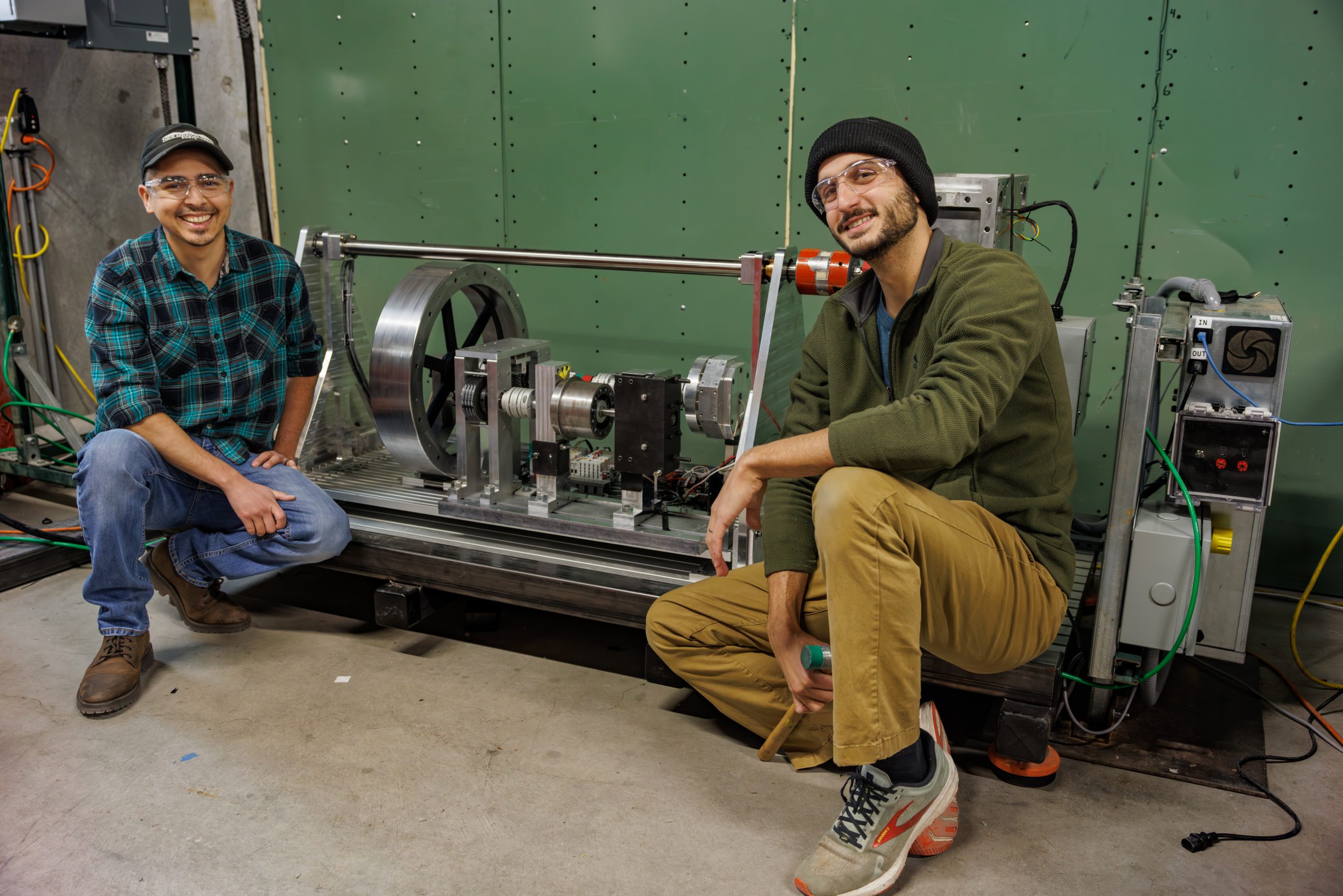
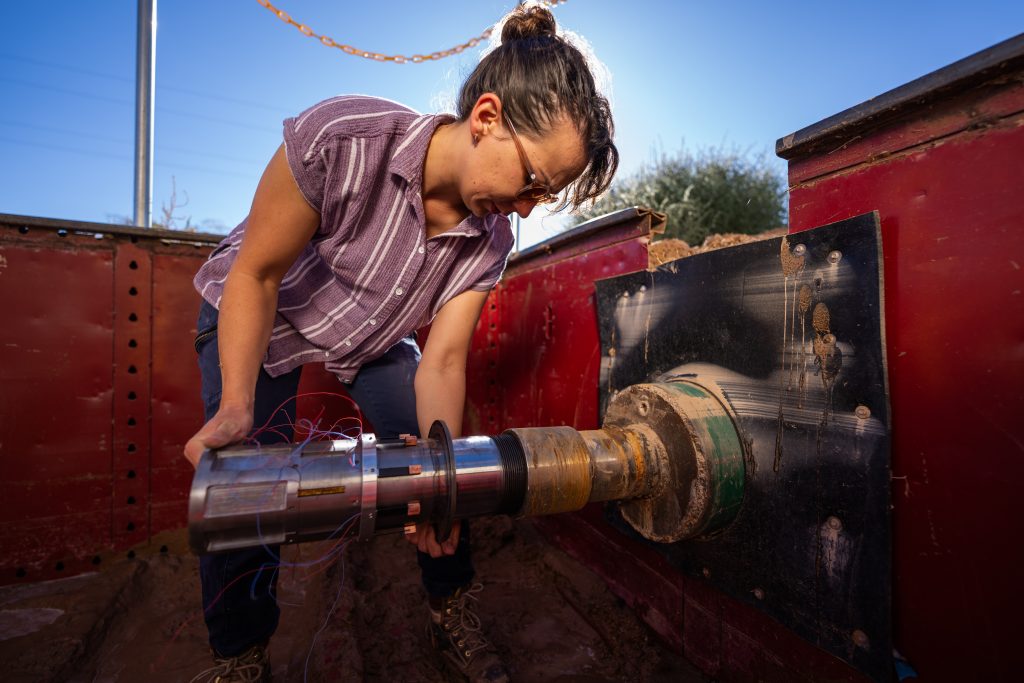
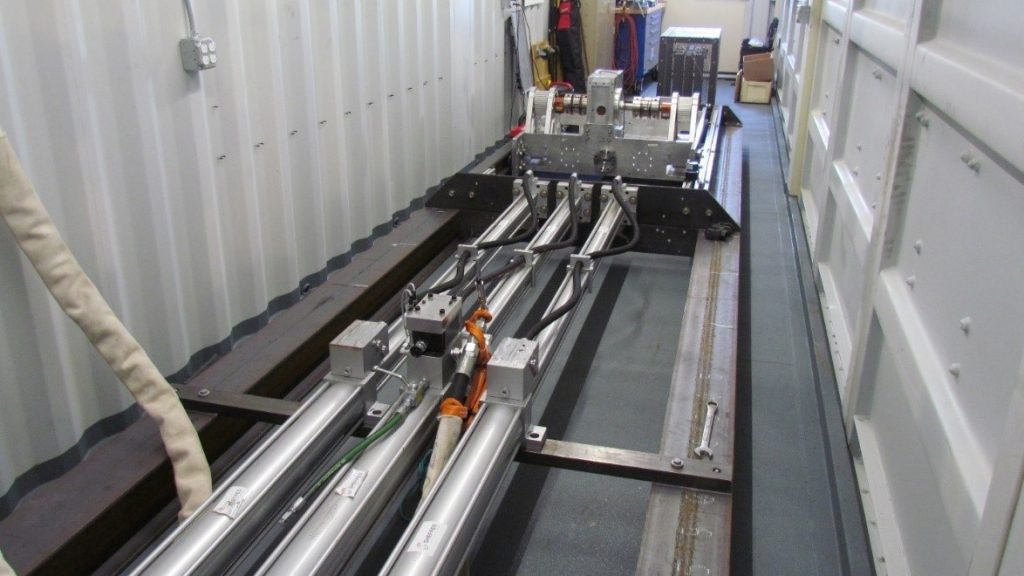
The Sandia Wave Energy Power Take-off (SWEPT) Laboratory offers mobile, specialized testing for systems that produce power from wave energy. SWEPT is used to test wave energy converter (WEC) power take-off (PTO) systems. WECs are unique...

Climate Security, Electric Grid, Renewable Energy, Wind Energy

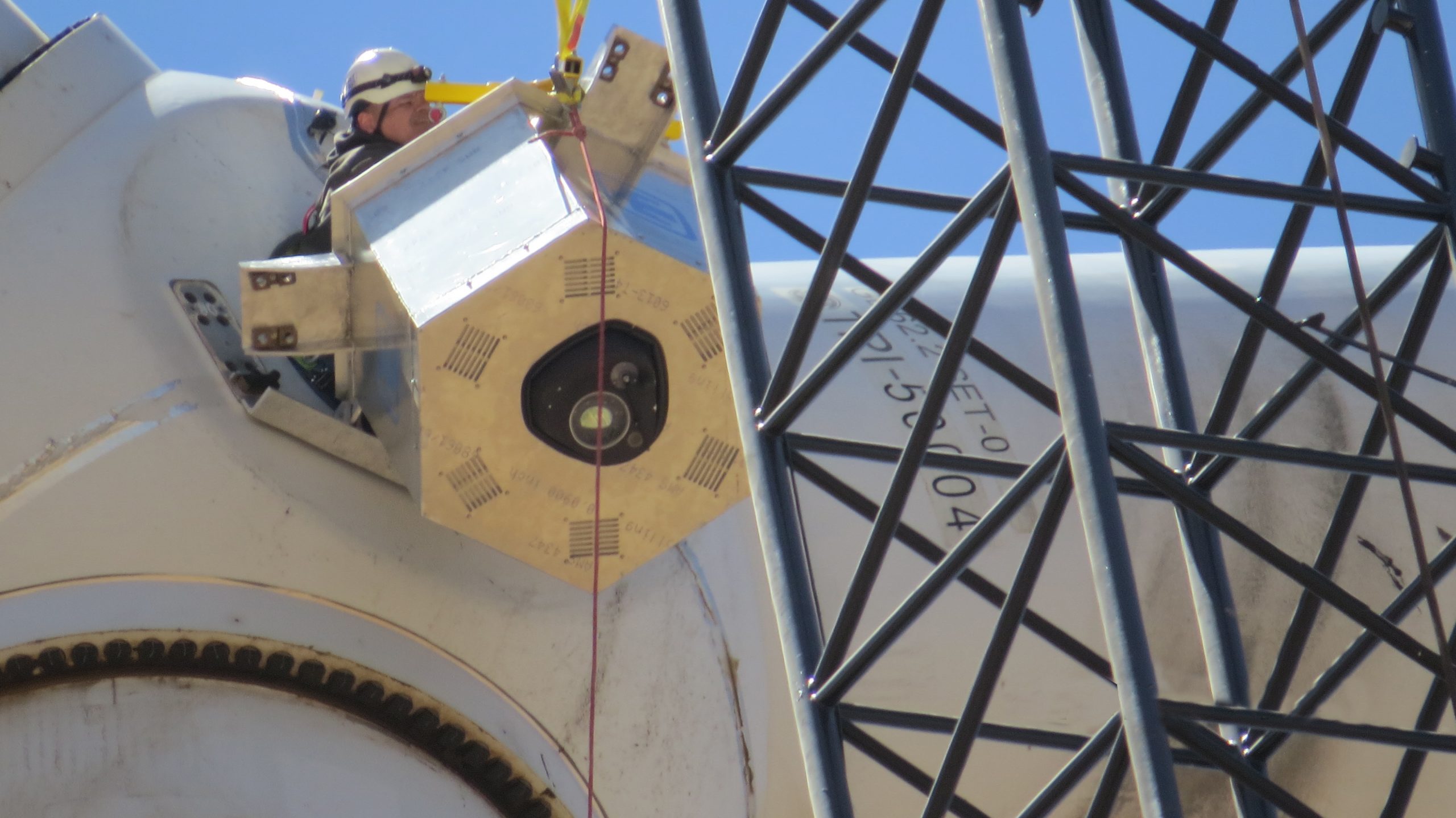
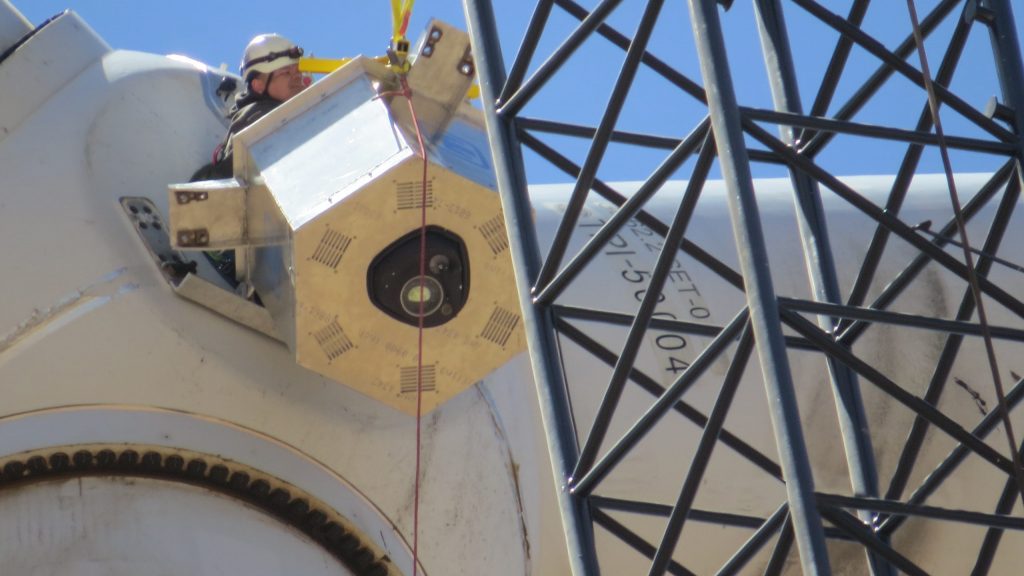
Scaled Wind Farm Technology Facility (SWiFT) Enabling rapid, cost-effective research and making unique assets available to improve wind plant performance, advance technology, and build trusted partnerships. The Sandia Scaled Wind Farm Technology (SWiFT) Facility,...

Fact Sheets People

Discover and contact experts through the Earth, Energy, and Environmental Science directory.

Browse and locate an expert 

Success Stories

Discover and browse success stories through the Lab Partnering Service.

Browse success stories 

Tools

Browse select computational codes, data sets, models, software, tools, and toolkits.

View tools

Videos

Researchers in our program are reducing the cost, improving the resilience and reliability, and decreasing the regulatory burden of renewable energy.

Learn more about what we do and how we help the nation.

Watch videos

Virtual Tours

Tour the Applied Biosciences Laboratory
In the Applied Bioscience Laboratory at Sandia California, the bioscience research focus is two-pronged: energy security and biosecurity.

Tour the National Solar Thermal Test Facility
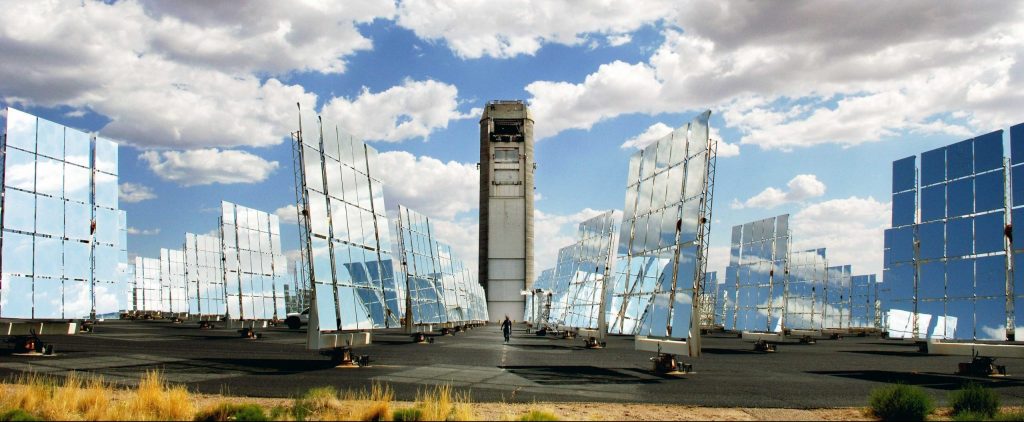
The tower and the surrounding facilities are one of the only places in the world where the power of the sun is harnessed to test advanced materials, perform research, and bake cookies. Industry partners and other national labs come here to explore cutting-edge technologies for electricity, processing heat, energy storage, materials testing, and to find large scale solutions for the adoption of Concentrating Solar Power as a viable source of renewable energy.

Tour the Scaled Wind Farm Technology Facility
At the SWiFT facility in Lubbock, Texas, Sandians partner with other researchers to study the interaction of multiple wind turbines in a wind farm.

Work with Us

We partner with large and small businesses, universities, and government agencies. With multiple agreement types to select from, partners can access world-class science, engineering, experts, and infrastructure.

Contact

Abraham Ellis
(505) 206-6807
aellis@sandia.gov