
Distributed Wind Energy
Distributed wind could potentially provide electricity to remote, rural, and island power systems that exist largely off the main electric grid.
Determining the viability of using wind turbines as a source of distributed energy is an important undertaking with broad impact for the nation. Sandia National Laboratories researchers seek solutions to challenges faced by parts of the country that cannot be consistently powered by a traditional electric grid. Unlike traditional wind farms that feed energy to grid-connected transmission lines, wind turbines used for distributed energy are in close proximity or even directly connected to the end user or customer.
In 2022, Sandia opened a new, custom-built wind turbine emulator at its Distributed Energy Technologies Laboratory. The emulator, which mimics actual wind turbines at Sandia’s Scaled Wind Farm Technology Site near Lubbock, Texas, is used to study how real wind farms behave under multiple weather conditions and load demands, and whether they can be efficiently used as a source of distributed energy for consumers who live near the farms.
The distributed wind program at Sandia National Laboratories focuses on several key areas to advance the field of distributed wind energy. This includes developing advanced controls for distributed wind turbines to optimize performance and reliability, exploring how distributed wind can provide essential grid services to enhance stability, and implementing optimization techniques to maximize energy output and efficiency. Additionally, the program conducts rigorous testing of distributed wind power converters to ensure they meet industry standards and perform reliably under various conditions. It also investigates the integration of distributed wind in microgrid design, facilitating seamless connections with other energy sources, and provides technical assistance to the distributed wind industry, helping stakeholders navigate challenges and implement effective solutions. Through these efforts, Sandia aims to foster innovation and collaboration, making distributed wind energy a viable and resilient power source for the nation.
Related Projects
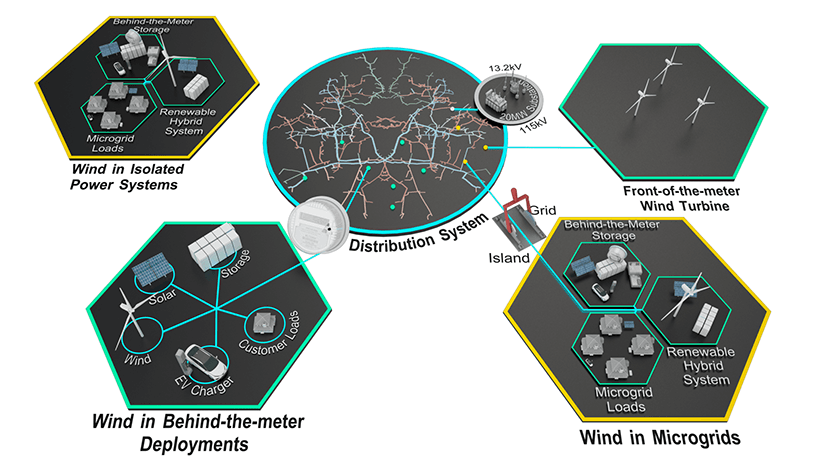
Microgrids, Infrastructure and Advanced Launchpad (MIRACL)
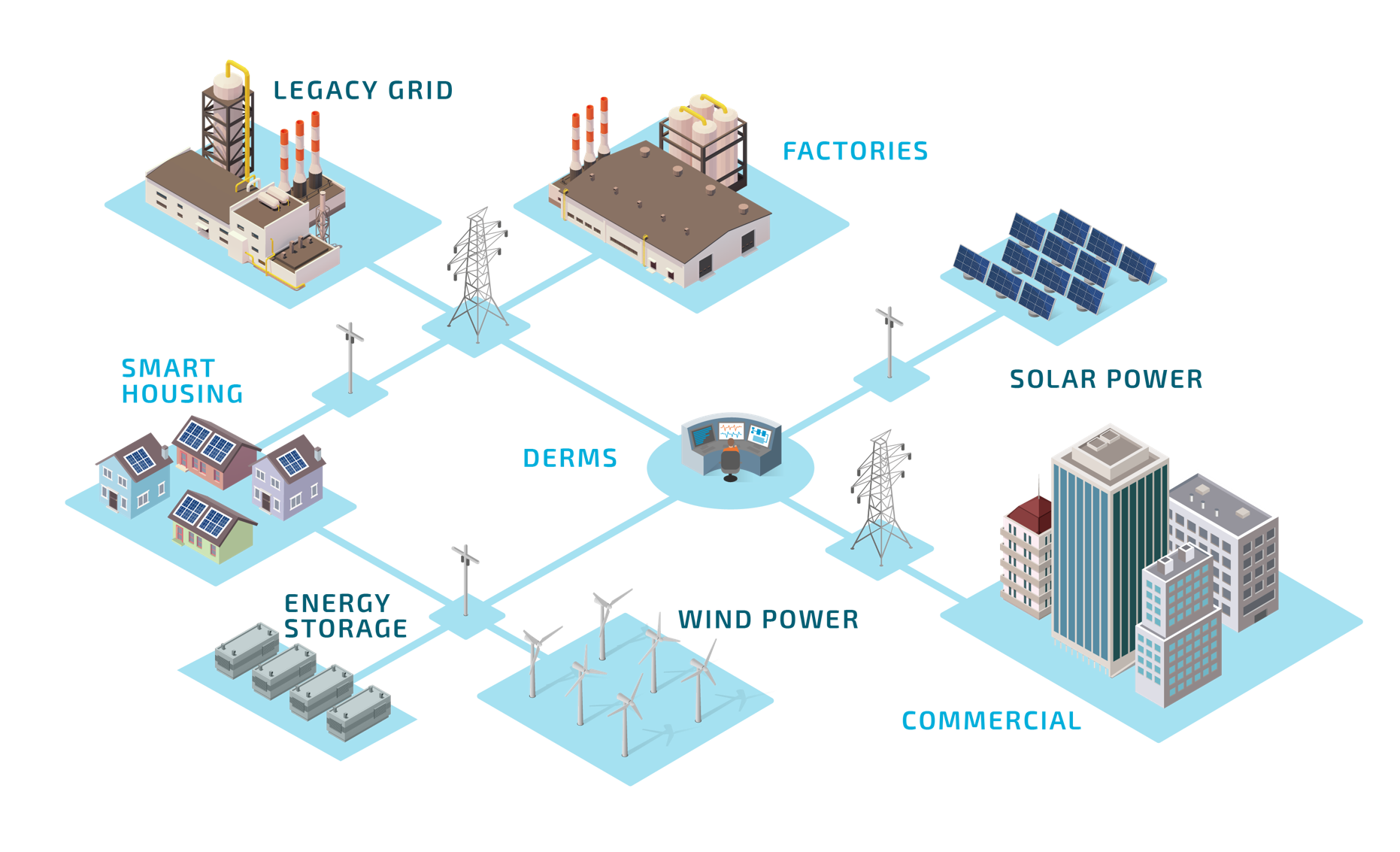
Wind Hybrid Integration Platform (WHIP)
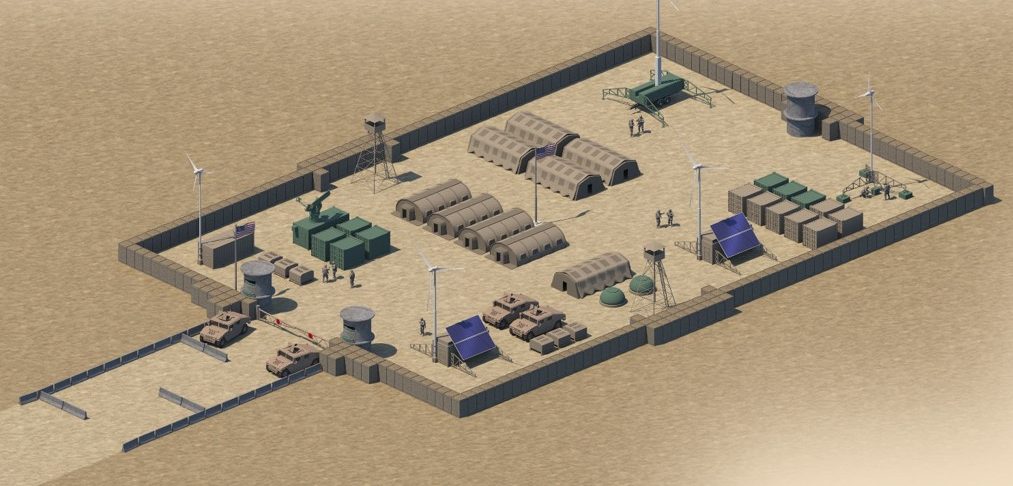
Defense and Disaster Deployable Turbine (D3T)
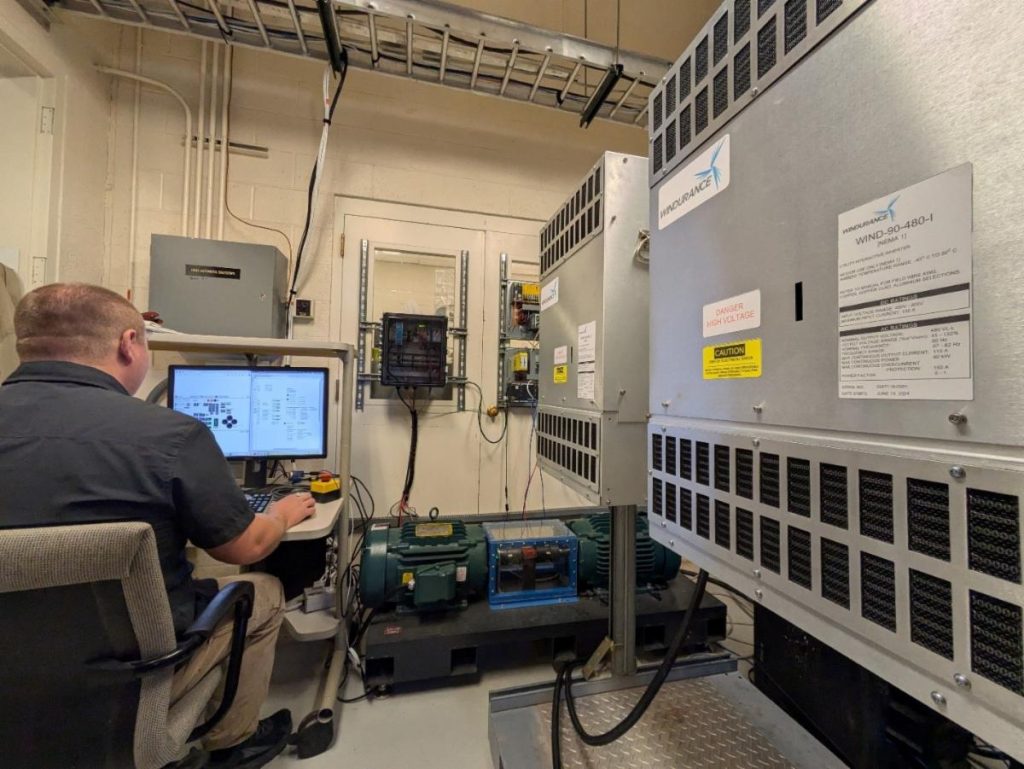
Wind Interconnection Standards Platform (WISP)
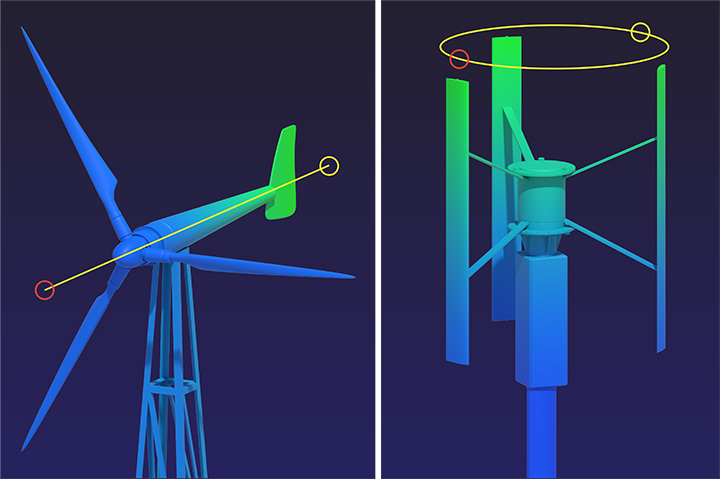
Distributed Wind Aerolastic Modeling (dWAM)
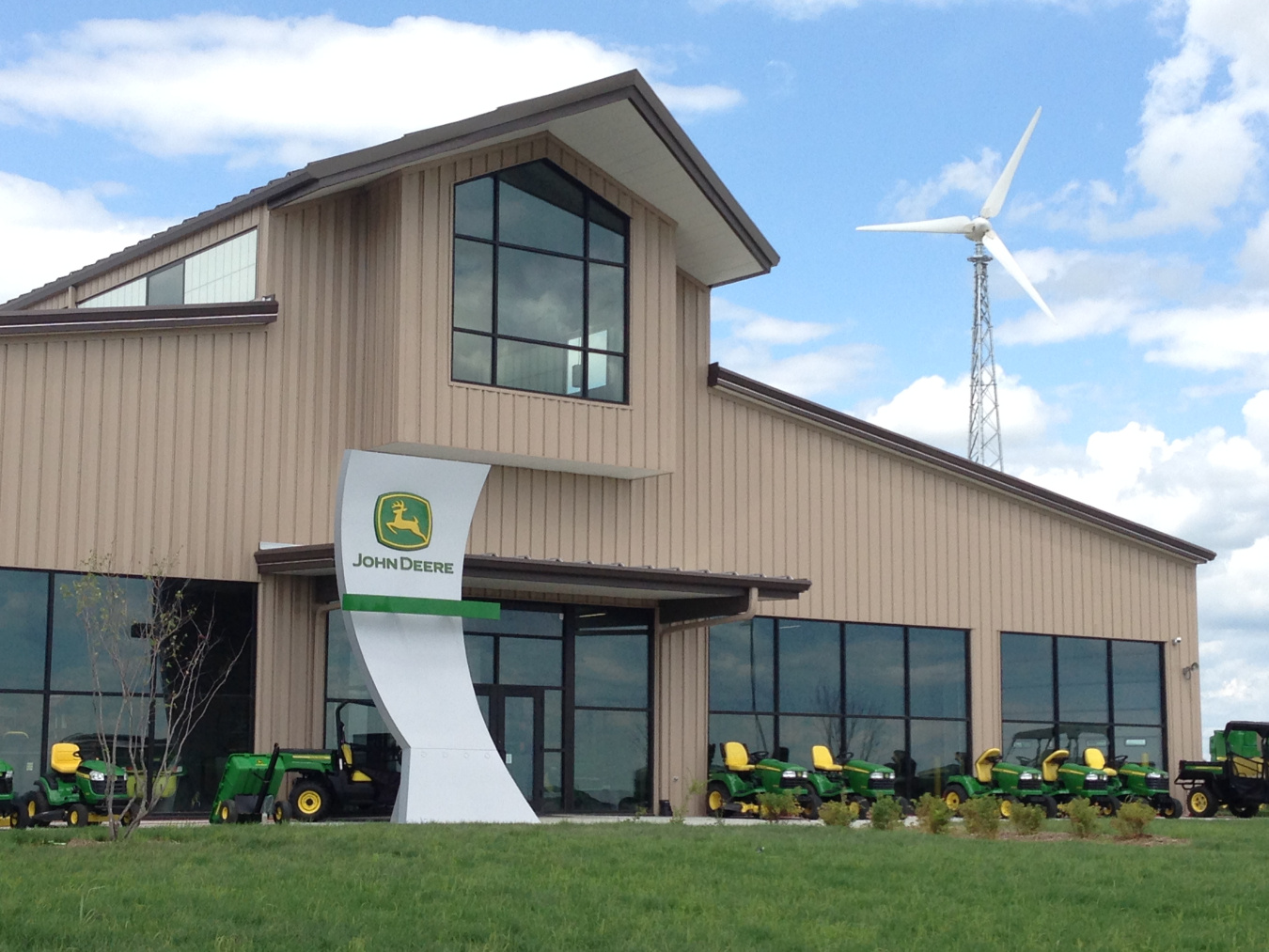
Rural and Agricultural Income and Savings from Renewable Energy (RAISE)
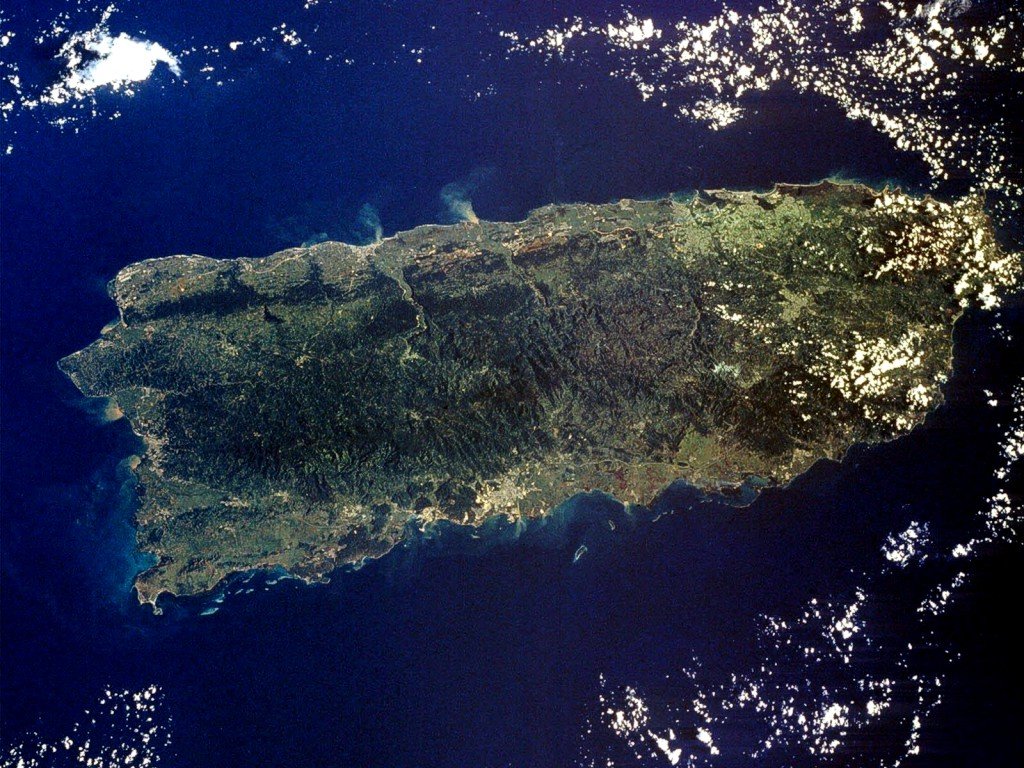
Puerto Rico 100-Distributed Wind (PR100-DW)

Interconnection Innovation e-Xchange (i2x)
Resources
An Advanced Voltage Regulation Control for Distributed Wind Turbine Generators
An Assessment of Wind-Hybrid Microgrids in Puerto Rico Using Microgrid Design Toolkit
Development and Validation of a Wind Turbine Generator Simulation Model
Exploring the interplay between distributed wind generators and solar photovoltaic systems
Method for using spectral flow data to predict vortex-induced vibration onset of static structures
Model Characterization and Frequency Regulation in Wind-Diesel Hybrid Microgrids
Take a virtual tour of Sandia’s Distributed Energy Technologies Laboratory.
Work with us
We partner with large and small businesses, universities, and government agencies. With multiple agreement types to select from, partners can access world-class science, engineering, experts, and infrastructure.
Partners
National Laboratory of the Rockies
Pacific Northwest National Laboratory
Contact
Geoff Klise, Wind Energy Technologies
gklise@sandia.gov