Search

9 Results

Brayton Cycle Test Loop

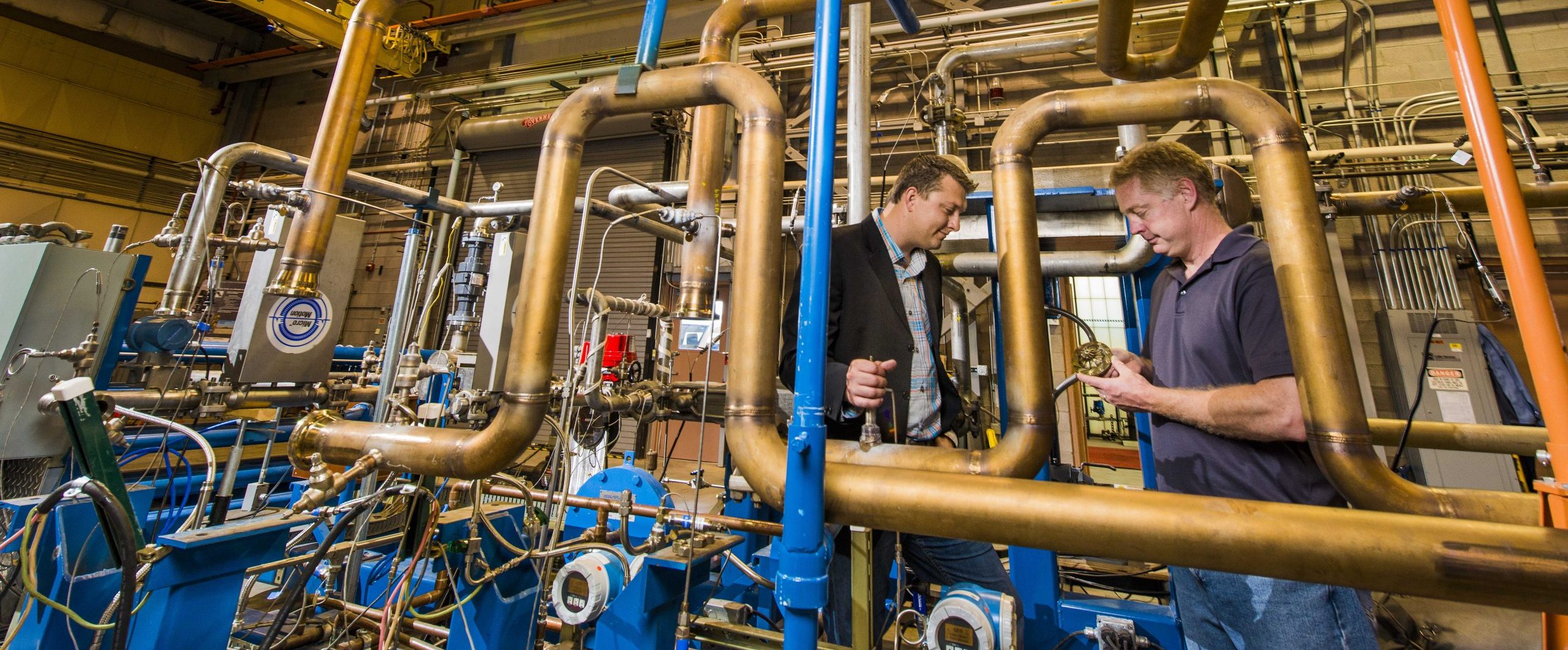
Facility • Using the Nuclear Energy Systems Laboratory (NESL) / Brayton Lab, Sandia National Laboratories is creating a thermal-to-electric power conversion technology in a configuration called the recompression closed Brayton cycle (RCBC) that uses supercritical carbon dioxide (sCO2) as the working fluid, rather than steam, thereby dramatically increasing conversion efficiency compared to the...
Computer Science Research Institute (CSRI)

Facility • The Computer Science Research Institute (CSRI) brings university faculty and students to Sandia for focused collaborative research on Department of Energy computer and computational science problems. CSRI focuses on research in areas of computer and computational science that are critical to the Sandia’s and the Department of Energy’s mission. The...

Facility for Acceptance, Calibration, and Testing (FACT)

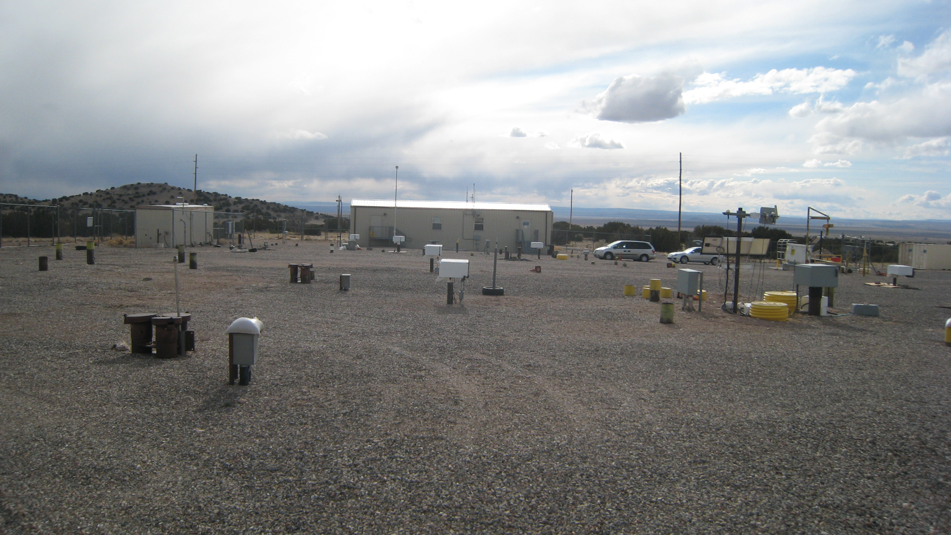
Facility • The Sandia FACT Site provides the equipment and seismically quiet surroundings required for testing infrasound and seismic sensors, instrumentation, and monitoring systems. This site allows for geothermal tools to be tested with a wireline truck to confirm standard operation of communications and power before committing to a geothermal well. The image depicts...

Geochemistry Laboratories

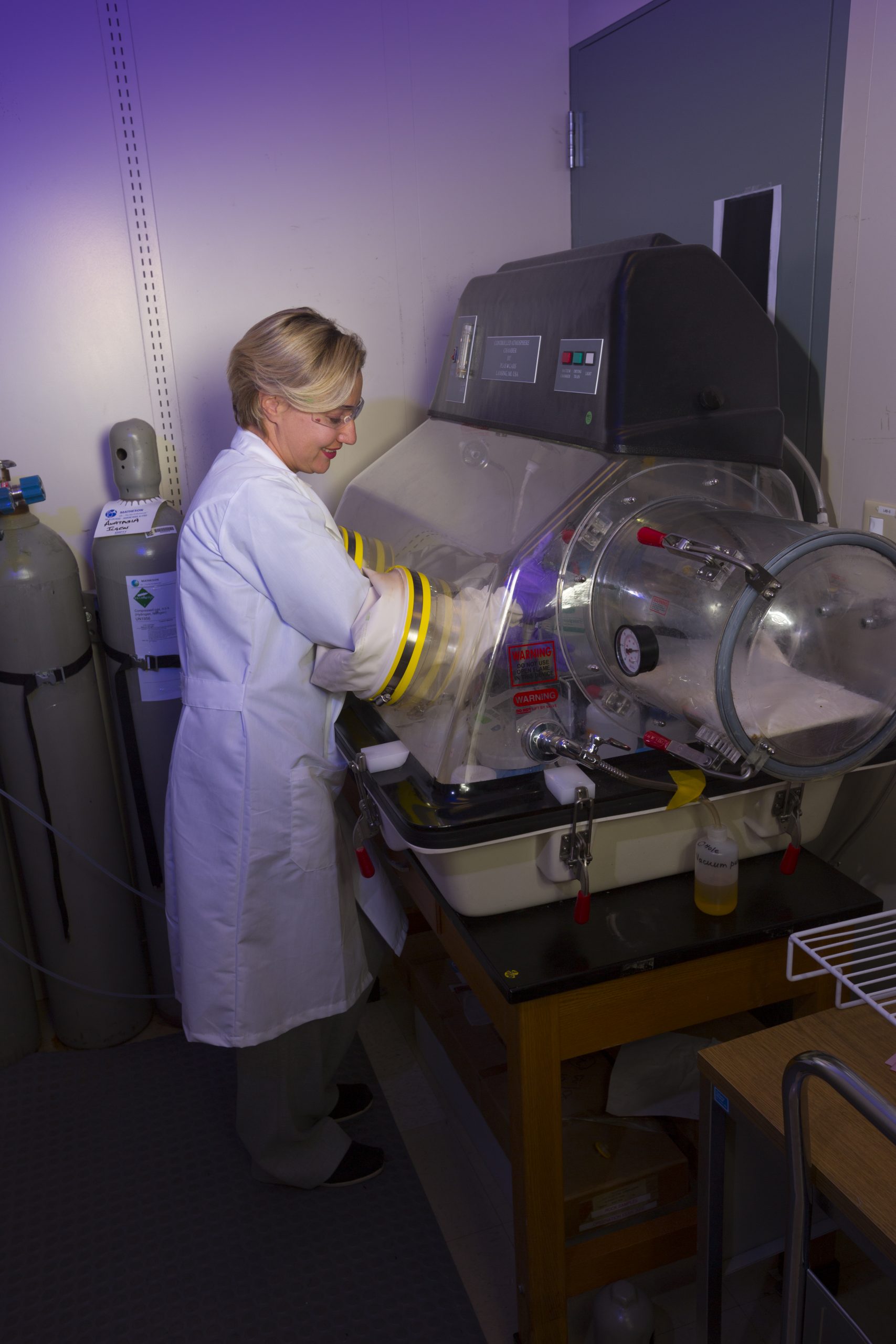
Facility • Sandia’s Geochemistry Laboratories support fundamental research into material behaviors at mineral-fluid interfaces and the influence of chemical environments on fracture processes. Experimental geochemistry studies enable researchers to develop and validate quantitative models across multiple spatial and temporal scales.

Geomechanics Laboratory

Facility • The Geomechanics Laboratory provides advanced facilities to measure rock properties under a wide range of simulated service conditions, including very high pressures, elevated temperatures, and complex loading paths. These capabilities support research and development efforts in underground construction, geothermal drilling and development, mining, oil and gas production, reservoir management, and...

High Operating Temperature (HOT) Facility

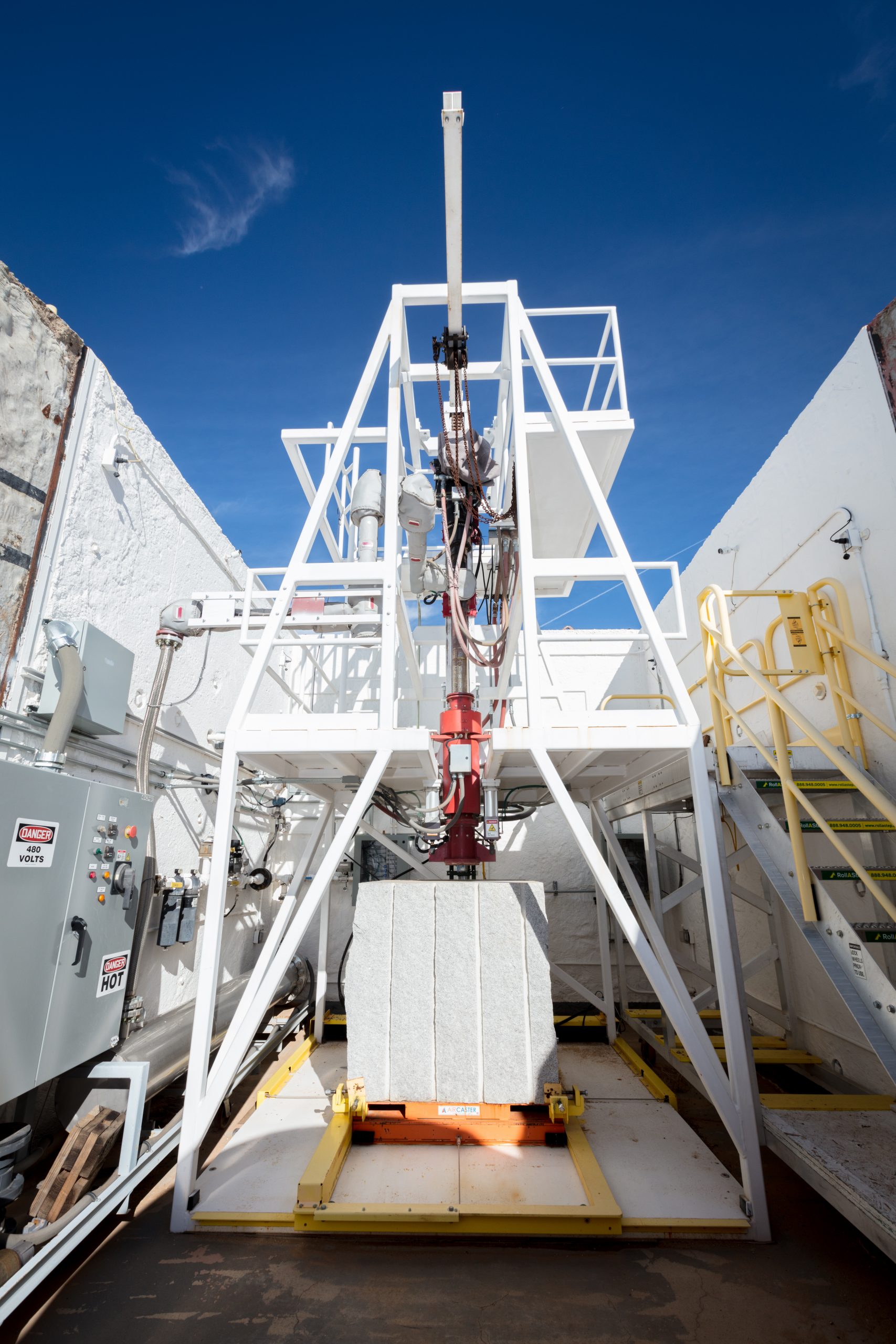
Facility • Sandia’s High Operating Temperature (HOT) Facility houses a 20-foot-tall drill rig, heating chamber, and process gas heater. HOT can simulate conditions deep underground by elevating the temperatures directly to the drill bit and can enable drilling through different types of rock, such as granite. In addition to testing drilling tools...

Hydrogen Effects on Materials Laboratory

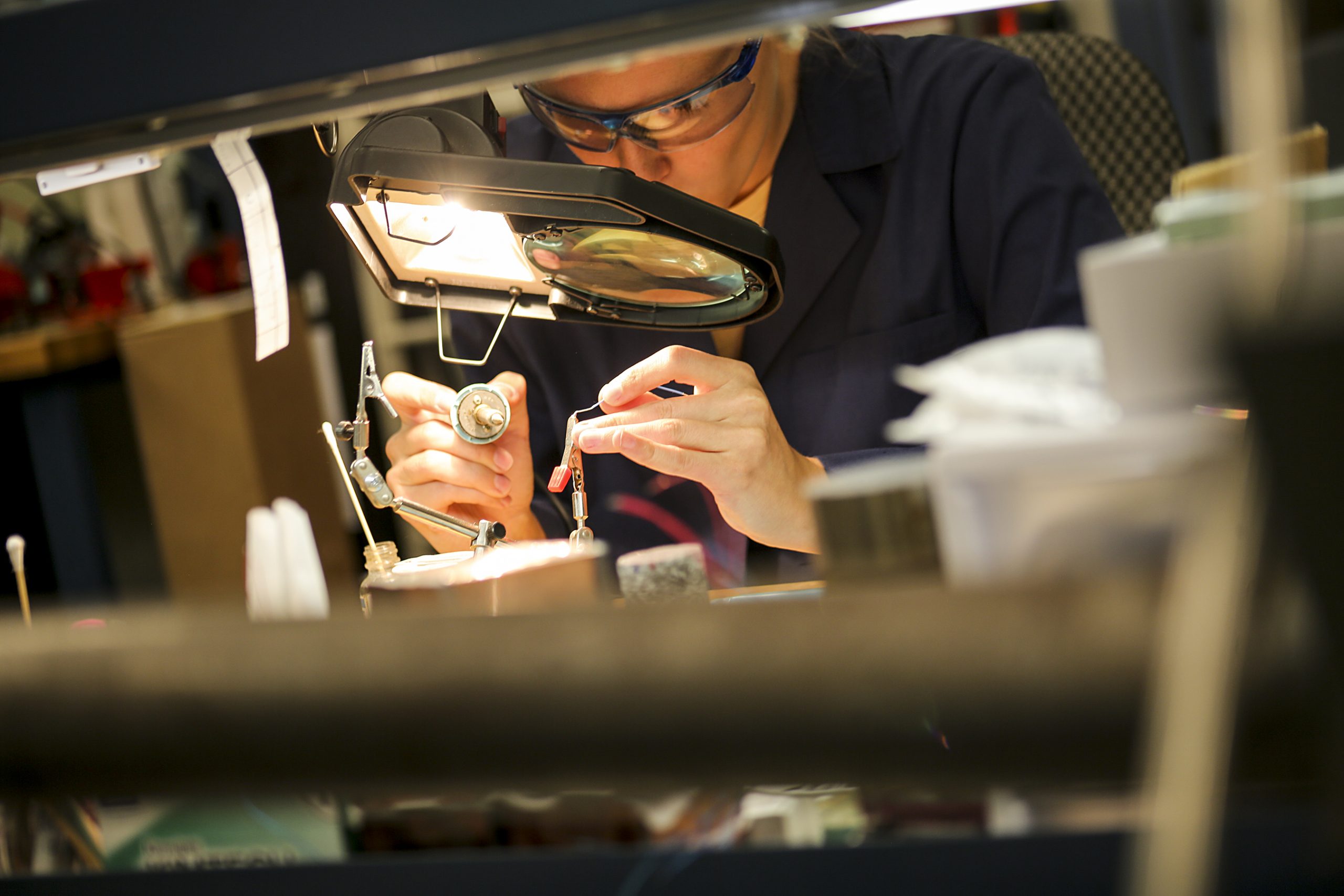
Facility • The Hydrogen Effects on Materials Laboratory is the cornerstone of Sandia’s research expertise in hydrogen compatibility of materials and a core capability stewarded by the Office of Energy Efficiency and Renewable Energy’s (EERE) Hydrogen and Fuel Cell Technologies Office at the Department of Energy. The laboratory houses specialized assets for evaluating materials...

Hydrogen Surface Interactions Laboratory

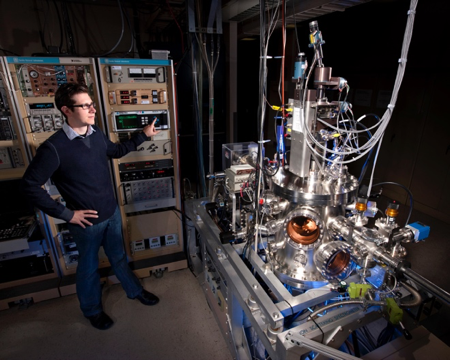
Facility • Sandia’s Hydrogen–Surface Interactions Laboratory includes an array of specialized capabilities assembled to address the obstacle of directly detecting hydrogen in furthering our understanding of hydrogen–surface interactions. The lab includes an angle-resolved ion energy spectrometer (ARIES) for low energy ion beam analysis, developed specifically for detection of light adsorbates such as...

Hydrogen Transport and Trapping Laboratory

Facility • Sandia staff in the Hydrogen Transport and Trapping Laboratory evaluate many features of the interactions between hydrogen and materials. In particular, the effects of hydrogen on mechanical properties can be strongly influenced by transport (or diffusion) of hydrogen in materials on the time scale of testing. Researchers in the Hydrogen Transport and...