
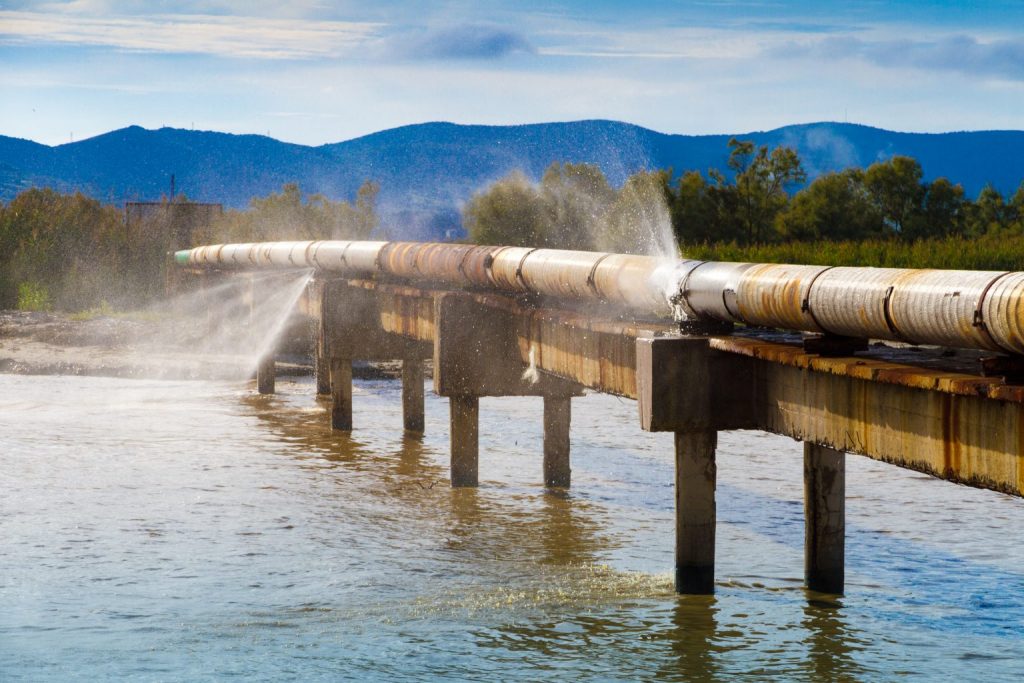
In collaboration with the Naval Postgraduate School and U.S. Army Engineer Research and Development Center, Sandia has developed a new interactive dashboard designed to quantify resilience of water distribution systems on U.S. military installations.
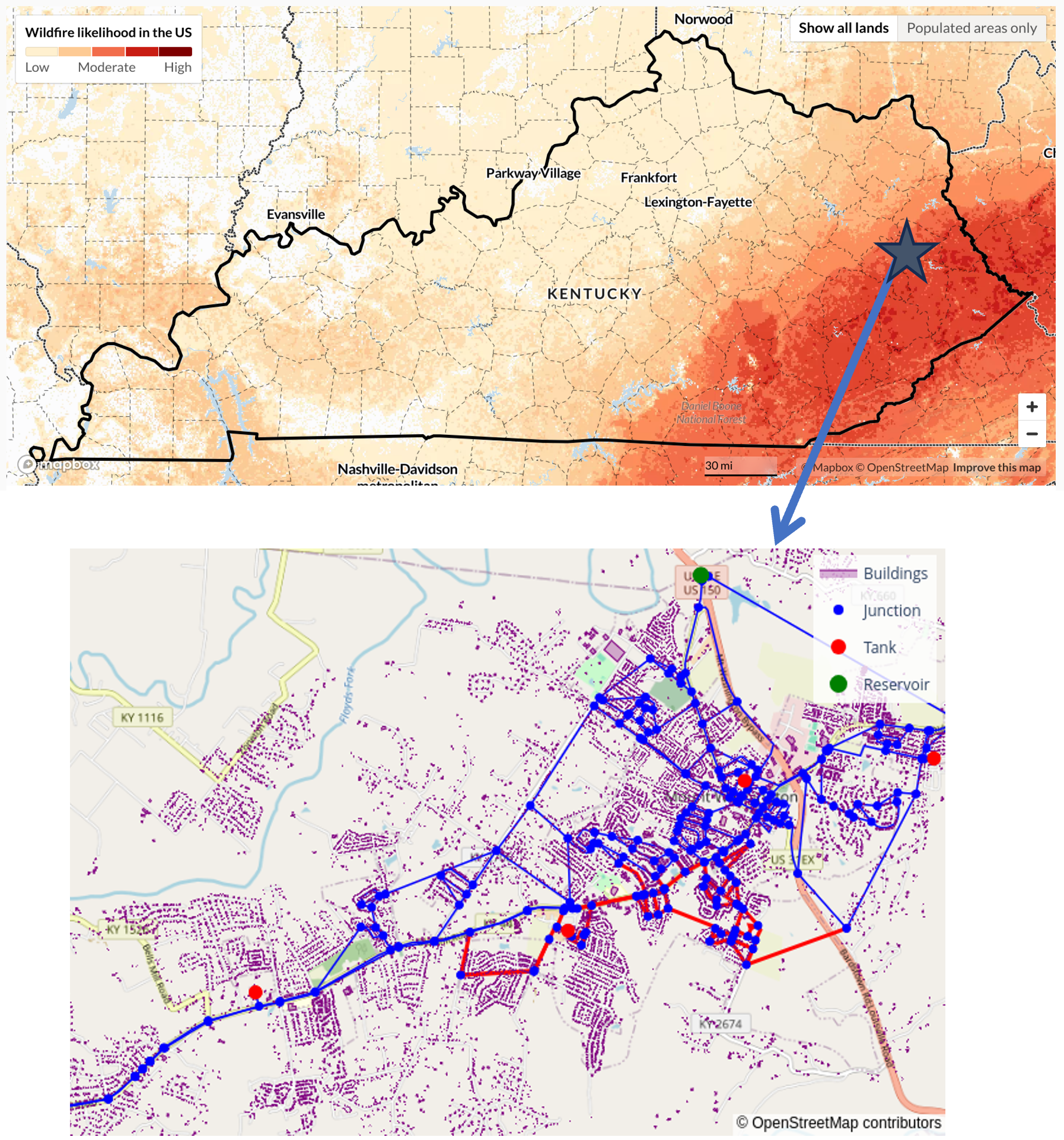
WNTR-Dash provides web-based access to the Water Network Tool for Resilience (WNTR), an open-source Python package developed at Sandia in partnership with the U.S. Environmental Protection Agency. The dashboard is tailored to address the needs of U.S. military installations, with a focus on mission critical water service and response action plans. Funding was provided by the Environmental Security Technology Certification Program (ESTCP).
“Our goal in wrapping the Python package in an interactive, online dashboard is to get more people using the analysis methods,” said Katherine Klise, a principal member of the technical staff at Sandia who helped create WNTR and WNTR-Dash.
WNTR grew out of an Interagency Agreement with the EPA that started as a Laboratory Directed Research and Development project on water contamination. Since its launch in 2016, WNTR has been downloaded over 750,000 times and has been cited in more than 600 academic papers.
WNTR-Dash builds on the original package’s models and methods to support military operations that require water in addition to core water resilience analyses. These capabilities include the development of site-specific hazard scenarios that define asset exposure and sensitivity, as well as analysis options that explore hydraulics of the system under a wide range of conditions, including optimal planning and response actions.
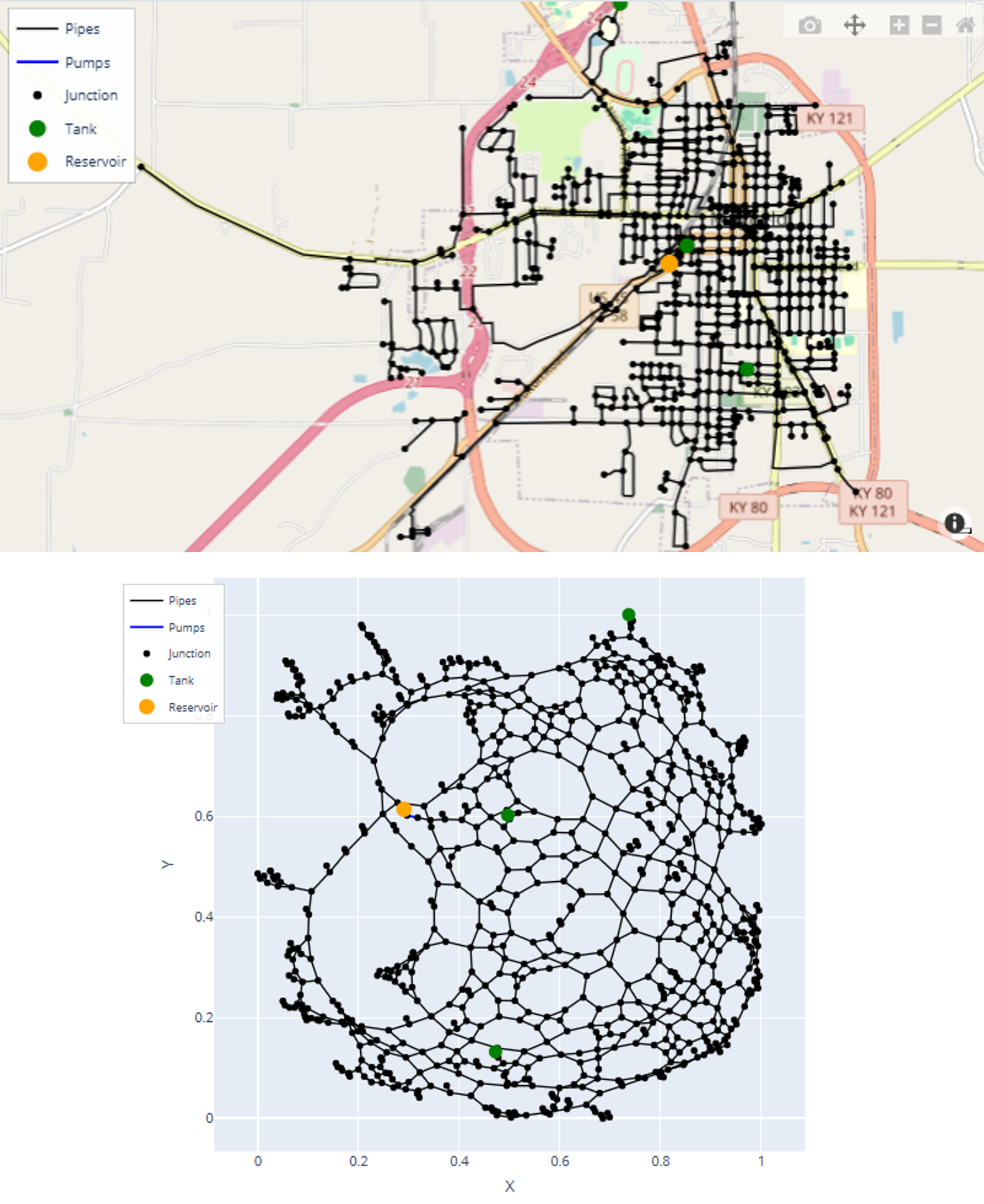
WNTR-Dash also supports the development of disaster scenarios and optimal response plans. “With this tool, we are interested in identifying worst-case failure and optimizing the best course of action,” said Klise. “For example, the methods help you determine which pump to fix to get mission critical water services back up and running as quickly as possible.”
The team is already collaborating with a military installation to demonstrate the tool’s analysis capabilities and is actively seeking additional partners. The team is also working on a firewall version of the dashboard that will provide an extra layer of security for stakeholders with sensitive infrastructure data.
Sandia’s decision support analysis for water utilities is part of a larger program that develops science-based engineering solutions at the intersection of energy and water systems. A closely related example of this work is Chama, another open-source Python package that optimizes sensor placement for a wide range of applications, including water distribution systems.
For more information about WNTR-Dash, contact Katherine Klise, kaklise@sandia.gov.
July 20, 2026