
Solar Furnace
Small-Scale Thermal Testing
The National Solar Thermal Test Facility’s solar furnace uses a heliostat and concentrator dish to provide an extreme flux test environment. This environment can be controlled to support thermal model validation and follow specific profiles.
Furnace Capabilities
Beam Area and Power
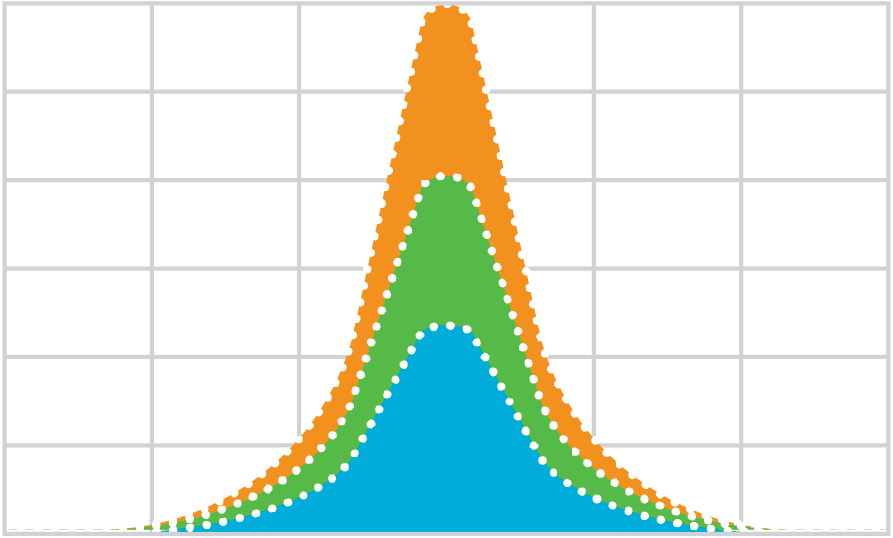
- Peak irradiance of 600 watts per square centimeter
- Maximum temperatures of 2,700 degrees Celsius
- Spot diameter: 5 centimeters or 3 inches
- 95 meters squared primary heliostat
- 22 meters squared Parabolic concentrator dish
Attenuator Systems
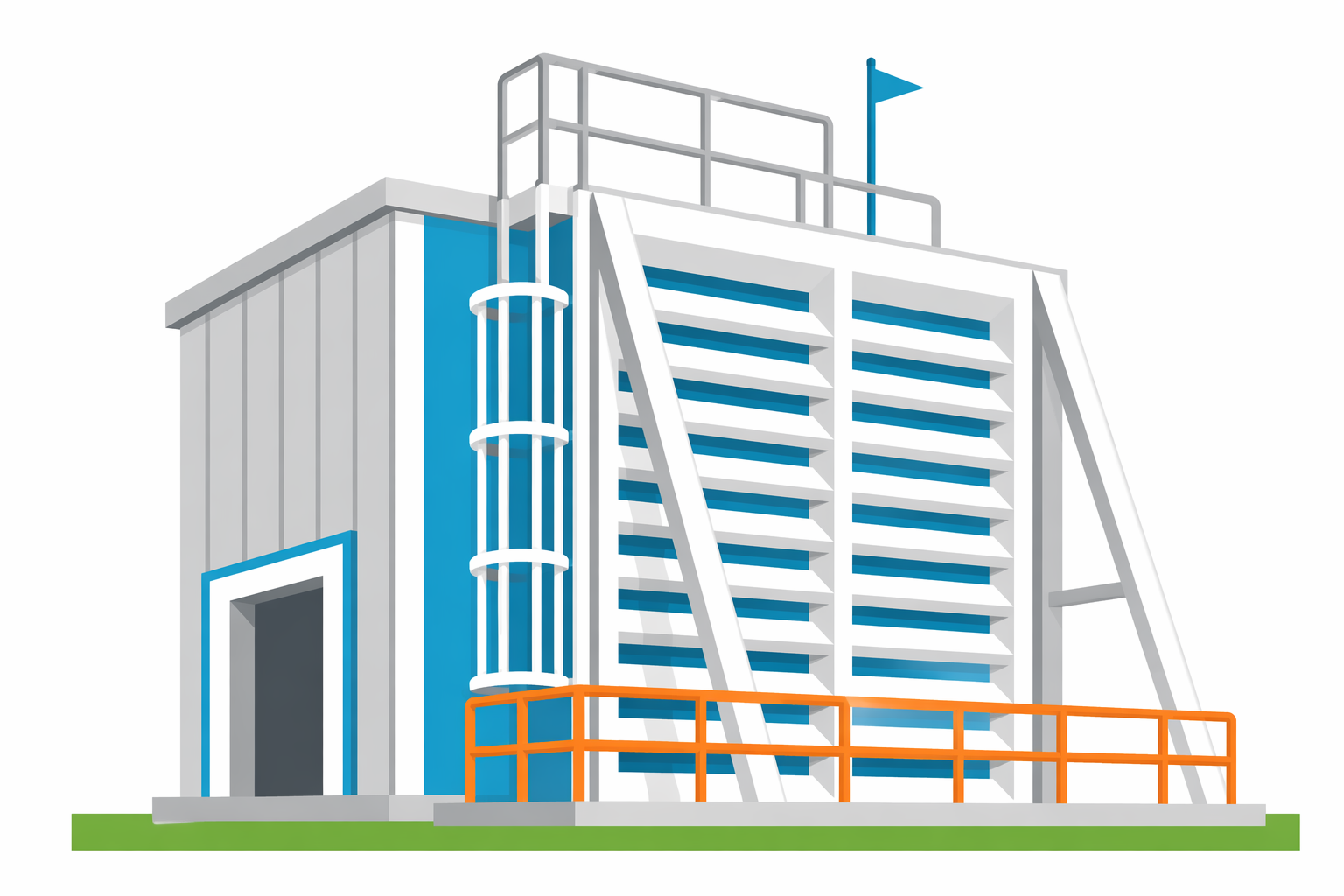
- Programmable flux/thermal profiles
- ~0.5 watts per square centimeter, per step
- 0 to 100 percent in 2.5 seconds
- 0.5 seconds shutter system up to 10-minute profile
- Maximum table weight of 900 pounds
Utilities

- Power: 6 x 12 volts or 24 volts; 12 x 120 volts; and 1 x 208 volts
- 16 kilowatts chiller system
Data Acquisition
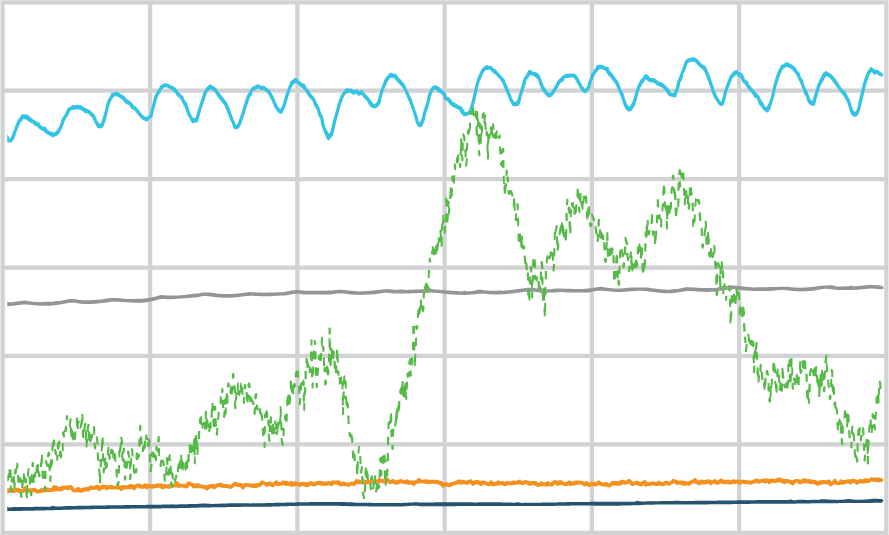
- 24 thermocouples (12 Type T and 12 Type K)
- 12 channels for analog voltage and current measure
- 50 thousand frame per second rate ultra-high frequency camera system
- FT-Infrared and Forward-Looking Infrared (FLIR) photometrics
- Three pyrometers: Micron MI-GAS; Micron MI n5/5-LPUS; and SU 320-1.7RT-V/RS170
- Characterized flux gauge or Kendall radiometer
Other Capabilities

- 3 unique chambers to support testing
- Gas flow: 0.01 to 100 kilopascal, Air or N2
- Maximum table weight of 900 pounds
- Stanford Research Systems residual gas analyzer
- Post test gas sample analysis (calibrated lab)
- Hand tools, workshop, and fabrication shop
Work With Us

We partner with large and small businesses, universities, and government agencies. With multiple agreements to select from, partners can access world-class science, engineering, experts, and infrastructure.
Learn more about working with us.
Chambers
The Sandia Solar Thermal Ablative Reactor (S-STAR) is optimized to support materials chemistry sampling and analysis in harsh and known thermal environments.
| Aspect | Details |
|---|---|
| Beam Area and Power | • Peak irradiance of 600 watts per square centimeter • Maximum temperatures of 2,700 degrees Celsius • Sample diameter of one to three inches |
| Attenuator and Shutter Systems | • Programmable flux/thermal profiles ° ~0.5 watts per square centimeter, per step ° 0 to 100 in 2.5 seconds |
| Data Acquisition Capabilities | • FT-Infrared and Forward-Looking Infrared (FLIR) photometrics • 50 thousand frame per second rate ultra-high frequency camera system • Gas chromatography-mass spectrometry post-test analysis • Characterized flux gauge or Kendall radiometer |
| Utilities on Sample Table | • 120 volts or 208 volts |
| Other Capabilities | • Pressurized up to 10 atmospheres, or 150 pounds per square inch |
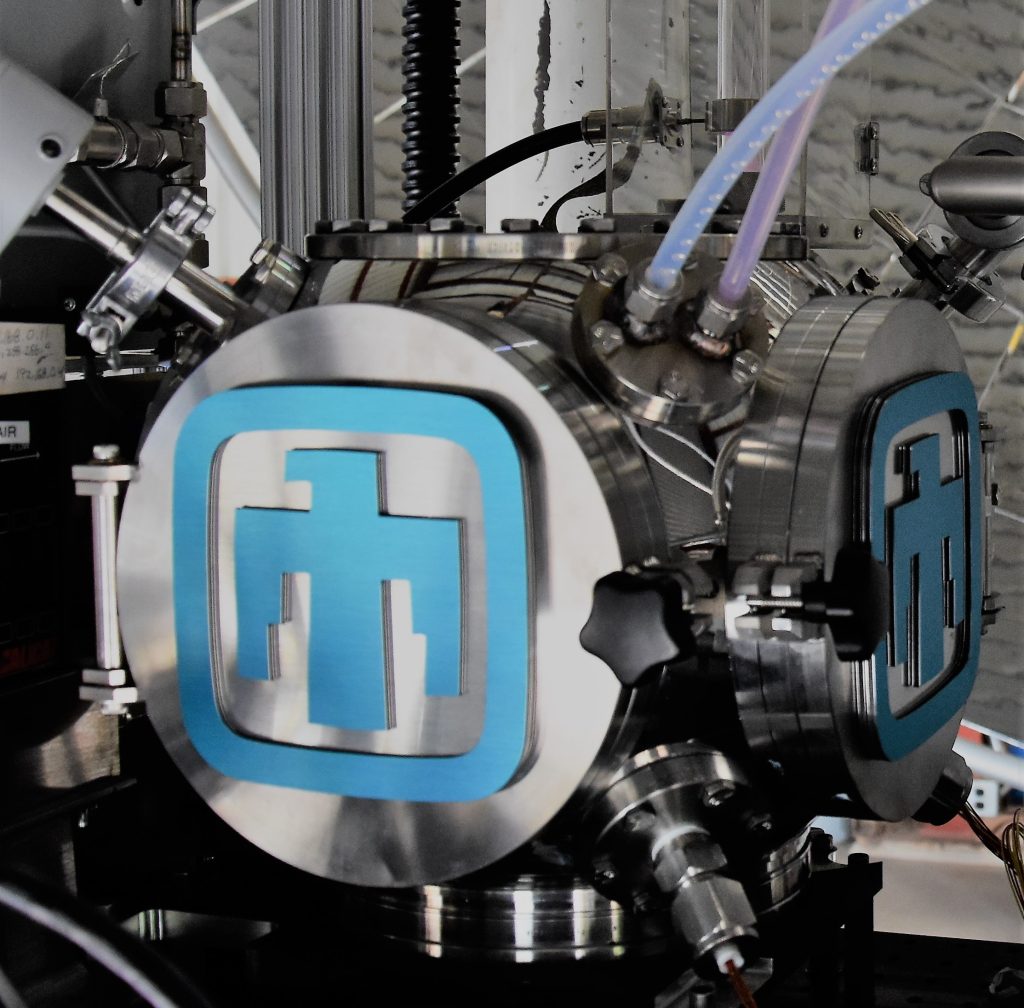
The Sandia Solar Thermal Oxidation and Pyrolysis chamber is optimized for decomposition or oxidization of materials in known thermal environments.
| Aspect | Details |
|---|---|
| Beam Area and Power | • Peak irradiance of 600 watts per square centimeter • Maximum temperatures of 2,700 degrees Celsius • Sample diameter of 0.5 to 1 inch |
| Attenuator and Shutter Systems | • Programable flux/thermal profiles • Industry exceeding thermal control |
| Data Acquisition Capabilities | • Dynamic mass loss measurements • FT-Infrared and Forward-Looking Infrared (FLIR) photometrics • 50 thousand frame per second rate ultra-high frequency camera system • 24 thermocouples (12 Type T and 12 Type K) • 12 analog channels • Characterized flux gauge or Kendall radiometer |
| Utilities of Sample Table | • 12 volts, 24 volts, 120 volts, or 208 volts |
| Other Capabilities | • 1 Torr vacuum capability • Gas flow of 0.01 to 100 kilopascal, Air or N2 • Stanford Research Systems residual gas analyzer • Type T and K thermocouples support • Sandia-patented thermal techniques • Controllable atmospheres |
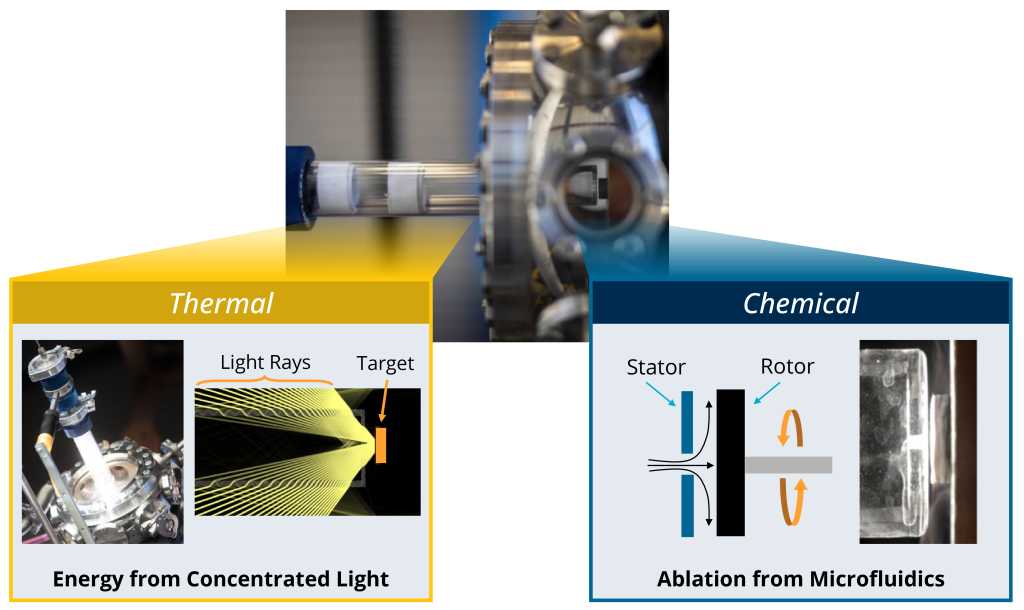
The Sandia Solar Thermal Oxidation via Rotation and Microfluidics chamber is optimized to support the rapid ablation of materials in multiple aerothermal regimes.
| Aspect | Details |
|---|---|
| Beam Area and Power | • Peak irradiance of 600 watts per square centimeter • Maximum temperatures of 2,700 degrees Celsius • Sample diameter of 0.5 to 1 inch |
| Operational Modes | • Spinning disk • Microfluidic rotor/stator • Microfluidic jet array |
| Data Acquisition Capabilities | • FT-Infrared photometrics • 50 thousand frame per second rate ultra-high frequency camera system • Characterized flux gauge or Kendall radiometer • Forward-Looking Infrared (FLIR) -20 degrees Celsius to 2,000 degrees Celsius |
| Utilities on Sample Table | • 12 volts, 24 volts, 120 volts, or 208 volts |
| Other Capabilities | • 1 Torr Vacuum • Gas flow of 0.01 to 100 kilopascal, Air or N2 • 10,000 revolutions per minute spinner motor • Controllable atmospheres |
Contact
Katherine Small, Principal Investigator
kasmall@sandia.gov
Robert Keene, Manager, National Solar Thermal Test Facility
rskeene@sandia.gov